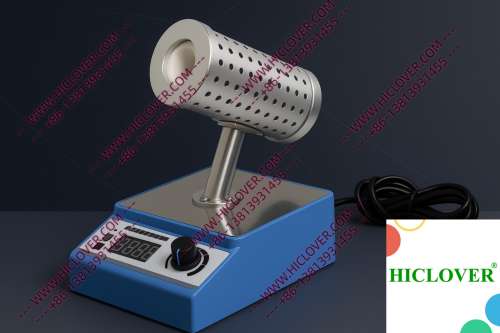
In the intricate environment of a microbiology lab, ensuring safe and effective sterilization practices is paramount. The presence of microorganisms, especially in BSL-2 and BSL-3 laboratories, brings forth unique biosafety challenges and sterilization workflow demands. Traditional sterilization methods, such as alcohol lamps and Bunsen burners, often fall short of modern sterile requirements. This is where Micro Incinerators, specifically Infrared Inoculating Loop Sterilizers, emerge as a game-changing solution, providing superior and reliable sterilization without the risk associated with flame.
Understanding the Technology Behind Infrared Sterilization
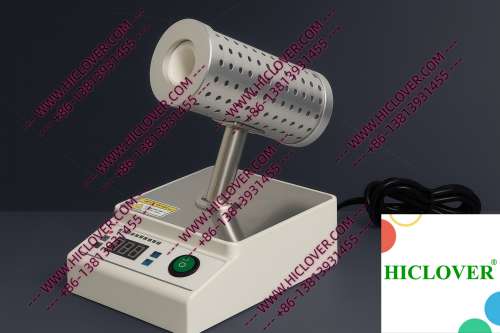
Infrared Inoculating Loop Sterilizers utilize a unique design that incorporates an enclosed ceramic heating chamber. This ceramic tube generates high temperatures through infrared thermal radiation, effectively ensuring rapid thermal sterilization of inoculation tools. The emitted infrared heat enables an even and controlled temperature distribution, which is critical in achieving complete disinfection of loops, needles, and other inoculation instruments without igniting any residues, thereby ensuring a clean and safe laboratory environment.
Advantages Over Traditional Flame Sterilizers
Comparing Infrared Inoculating Loop Sterilizers to traditional flame sterilizers reveals several distinct advantages:
| Feature | Infrared Inoculating Loop Sterilizer | Flame Sterilizers (Bunsen Burner or Alcohol Lamp) |
|---|---|---|
| Temperature Control | Precise, adjustable | Subject to user skill |
| Safety | No open flame; reduced fire risk | Open flame; higher fire risk |
| Contamination Control | Aerosol-free handling | Potential for aerosol generation |
| Clean Room Compatibility | Safe for clean benches | Not suitable for clean rooms |
| Maintenance | Low maintenance | Burner replacement needed |
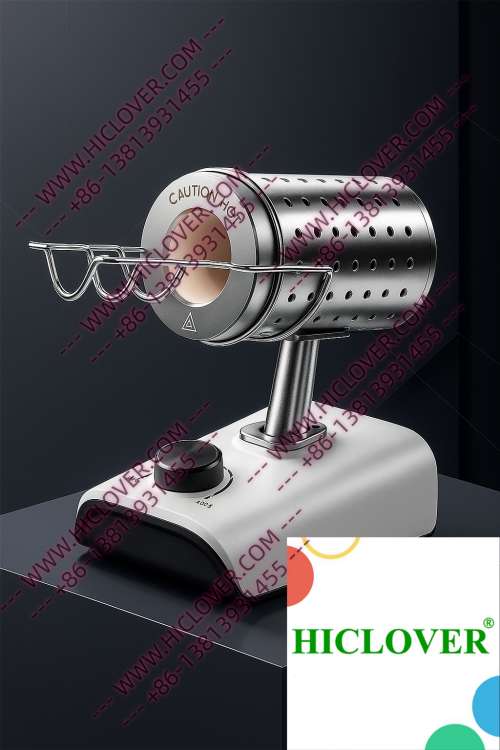
Real-Life Applications in Microbiology Labs
The implementation of Infrared Inoculating Loop Sterilizers caters to a diverse range of laboratory scenarios, enhancing safety and operational efficiency. Below are two notable application scenarios:
- Biosafety Cabinets: In BSL-2 and BSL-3 labs, where the risk of exposure to pathogenic microorganisms is elevated, Infrared Sterilizers are invaluable. They contribute to contamination control and preserve the sterile environment, allowing researchers to focus on their work without the fear of infectious agents spreading.
- Teaching Labs: University laboratory courses in microbiology benefit significantly from the use of Infrared Sterilizers. The enhanced safety and ease of use make these devices perfect for teaching students proper inoculation techniques without the distracting hazards associated with flame-based methods.
Compliance with Laboratory Standards
Adhering to biosafety regulations is non-negotiable in microbiology labs. Organizations like the World Health Organization (WHO) provide guidelines emphasizing lab safety, sterilization standards, and the elimination of open flames in cleanroom operations. Infrared Inoculating Loop Sterilizers align with these guidelines by offering a flame-free alternative, significantly reducing risks associated with traditional sterilization technologies.
Furthermore, compliance with ISO and ASTM standards for laboratory sterilization ensures that tools are not just sanitized but are safe to use in laboratory environments. As such, laboratories in cities like London, Tokyo, and New York are increasingly adopting this technology to meet stringent safety requirements.
Regional Applications and Market Needs
In regions where public health is critical, such as developing countries, the installation of Infrared Inoculating Loop Sterilizers in mobile and field testing labs enhances the ability to conduct safe, on-site tests. This capability is particularly vital in rural areas, where conventional sterilization methods may not be feasible. Additionally, urban hospitals can utilize these sterilizers in their clinical diagnostics departments, ensuring swift and effective tool disinfection during high-stress medical situations.
Frequently Asked Questions (FAQs)
- What are Infrared Inoculating Loop Sterilizers used for? They are designed for rapid, effective sterilization of inoculation tools in various laboratory environments, ensuring contamination control and safety.
- How do Infrared Sterilizers differ from traditional Bunsen burners? Infrared Sterilizers provide a flame-free option with precise temperature control and reduced contamination risk compared to Bunsen burners.
- Are Infrared Sterilizers compliant with laboratory standards? Yes, they comply with various international biosafety and sterilization standards, making them suitable for BSL-2 and BSL-3 labs.
- Can these sterilizers be used in clean rooms? Absolutely, their design prevents open flame hazards, making them ideal for clean room environments.
- What advantages do they offer in biosafety cabinets? They keep the biosafety cabinets free from flames, reducing fire hazards while ensuring tools are sanitized effectively.
Conclusion: Embrace Modern Laboratory Safety with Infrared Sterilization
As the landscape of microbiological work continues to evolve, the necessity for improved safety and compliance has never been more apparent. Infrared Inoculating Loop Sterilizers stand at the forefront of this shift, offering unparalleled efficiency and safety in sterilization processes. For laboratories looking to enhance their contamination control protocols and embrace cutting-edge technologies, now is the perfect time to consider integrating Micro Incinerators into their workflows.
Contact us today to discover how our advanced sterilization equipment can streamline your laboratory operations and ensure the highest standards of safety and compliance.