
Laboratories across various fields face significant biosafety challenges necessitating strict sterilization protocols to combat microbial contamination. As research evolves and the demand for high-standard sterilization grows, the effectiveness of traditional sterilization methods like alcohol lamps or Bunsen burners is increasingly being questioned. Enter the Micro Incinerator or Infrared Inoculating Loop Sterilizer—an advanced solution designed to facilitate modern laboratory sterilization workflows and enhance safety standards.
Understanding the Technology Behind Micro Incinerators
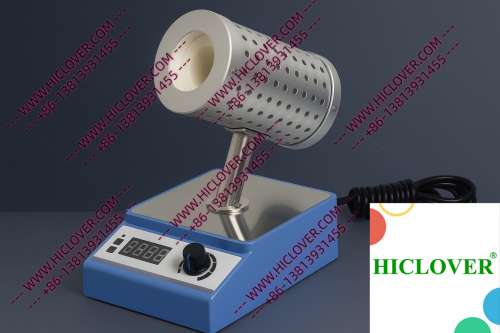
The Micro Incinerator operates on the principle of rapid thermal sterilization, utilizing an enclosed ceramic heating chamber that generates high temperatures through infrared rays. Unlike traditional flame sterilizers, this method ensures precise temperature control, minimizing unnecessary risks associated with open flames in sensitive environments. The enclosed design offers significant advantages, including:
- Enhanced Safety: Reduces the chances of fire hazards in cleanroom settings.
- Aerosol-Free Handling: Prevents the dispersion of contaminants into the laboratory atmosphere.
- Efficiency: Rapid heating time allowing for immediate sterilization processes.
The infrared technology employed in these sterilizers allows for uniform heat distribution, which is essential for proper sterilization of inoculating loops, needles, and other implements vital for microbiological work. The capability to maintain clean, controlled conditions is particularly important in biosafety level 2 (BSL-2) and BSL-3 microbiology labs where stringent protocols must be followed.
Application Scenarios of Micro Incinerators in Laboratories
1. In University Teaching Labs
In academic institutions, especially teaching labs for microbiology courses, the need for safe and effective sterilization of inoculation tools is paramount. The Micro Incinerator serves as an ideal solution, with students being able to practice sterile techniques without the danger of flames. With rapid heating capabilities, students can transition swiftly between applications, promoting efficient learning and experimentation.
2. In Clinical Diagnostics and Research Facilities
Clinical diagnostics labs require stringent adherence to sterilization protocols to avoid cross-contamination during tests. The Micro Incinerator can be stationed within biosafety cabinets, offering a compact option for high-temperature sterilization of instruments. Additionally, it is well-suited for field testing situations where mobility is essential, allowing for rapid sterilization in various environments without needing a flame source.
Compliance and Environmental Considerations
As laboratory operations are subject to stringent biosafety regulations, the adoption of Micro Incinerators aligns with recommendations from the World Health Organization (WHO) and other relevant authorities regarding laboratory harm reduction and waste management protocols. Specifically, these devices help laboratories meet the following compliance standards:
- Proper sterilization to prevent the spread of pathogens.
- Adherence to lab sterilization standards that emphasize reduced footprint and enhanced safety.
- Implementation of flame-free solutions in cleanroom environments.
By minimizing the risks associated with flame use, institutions can maintain cleaner environments conducive to sensitive experiments, thus supporting both human health and environmental sustainability. Incorporating models like the Micro Incinerator not only promotes biosafety but also aligns with eco-friendly laboratory practices.
Comparative Analysis: Micro Incinerator vs. Traditional Flame Burners
| Feature | Micro Incinerator | Traditional Flame Burner |
|---|---|---|
| Temperature Control | Precise, adjustable infrared heat | Variable, often uncontrolled flame |
| Operational Safety | Aerosol-free, reduced fire risk | Open flame, higher risk of combustion |
| Portability | Compact, suitable for mobile use | Dependent on gas source |
| Heating Time | Rapid heating (seconds) | Variable heating (minutes) |
Frequently Asked Questions
1. What types of laboratories can benefit from using a Micro Incinerator?
Micro Incinerators are ideal for BSL-2 and BSL-3 microbiology labs, clinical diagnostics, and teaching environments focused on microbial studies.
2. How does the Micro Incinerator maintain clean and safe operation?
By utilizing an enclosed ceramic tube, it minimizes the release of aerosols, and its precise temperature control helps maintain sterile conditions.
3. Can I use a Micro Incinerator in a biosafety cabinet?
Yes, these devices are designed to fit seamlessly into biosafety cabinets, enhancing safety during microbial work.
4. How does the Micro Incinerator compare in costs to traditional flame sterilizers?
Though initial costs may be higher, the longevity, safety, and enhanced sterilization efficiency of Micro Incinerators often outweigh the investment compared to traditional methods.
5. What certifications should I look for when purchasing a Micro Incinerator?
Ensure compliance with local and international safety standards, such as those set by the WHO or relevant lab safety authorities that govern sterilization equipment.
Conclusion
With the increasing demand for efficient and reliable sterilization in laboratory settings, the Micro Incinerator / Infrared Inoculating Loop Sterilizer stands out as a transformative tool. Its advantages over traditional methods, including enhanced safety, rapid sterilization, and compliance with biosafety standards, make it an invaluable asset in both academic and professional laboratory environments. If you’re looking to elevate your laboratory’s sterilization protocols and improve workflow efficiencies, consider investing in a Micro Incinerator today. For further inquiries or to explore our range of sterilization solutions, please feel free to reach out!
Categories:
Tags: