
In today’s laboratory environment, biosafety and optimal sterilization processes are paramount. Laboratories often grapple with contamination control, especially in sensitive settings such as BSL-2 or BSL-3 microbiology labs. Traditional sterilization methods, including alcohol lamps and Bunsen burners, pose several challenges, including open flames and the risk of aerosols. To address these issues effectively, the adoption of digital micro incinerators, particularly the Infrared Inoculating Loop Sterilizer, has become increasingly crucial.
Principle of Operation: Harnessing Infrared Heat
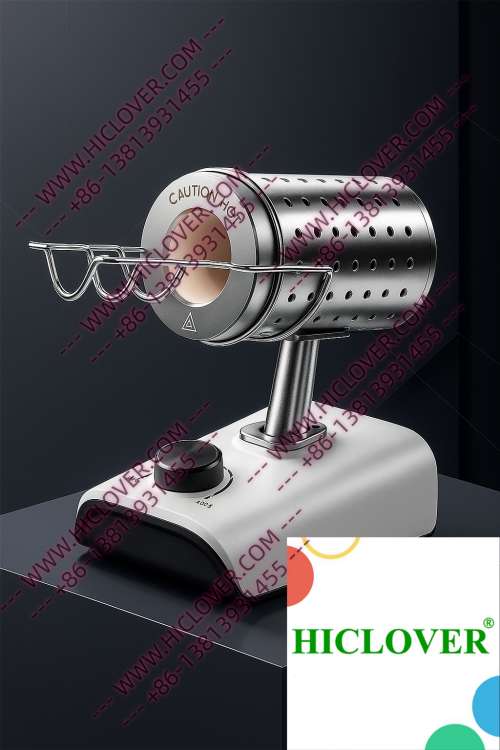
The Infrared Inoculating Loop Sterilizer operates on the principle of rapid thermal sterilization. Utilizing an enclosed ceramic heating chamber, it generates infrared high-temperature disinfection without the dangers associated with open flames. The device rapidly heats up to sterilization temperatures within seconds, efficiently eliminating microbial contamination without the risk of aerosol dispersal.
This design not only ensures clean-bench-safe operations but also significantly reduces the time required for sterilization, fostering a more streamlined laboratory workflow. Unlike traditional flame sterilizers, micro incinerators offer a precise temperature control feature, allowing users to tailor the heating process to specific sterilization requirements.
Advantages Over Traditional Flame Sterilizers
Micro Incinerator vs. Flame Burners
| Feature | Micro Incinerator | Flame Burners |
|---|---|---|
| Temperature Control | Precise and adjustable | Uncontrolled fire hazard |
| Safety | Enclosed system, aerosol-free | Risk of fire and aerosols |
| Heating Time | Rapid heating | Longer to adjust |
| Usage Environment | Clean rooms, BSL-2/BSL-3 labs | Not suitable for clean environments |
Application Scenarios in Real Labs
Digital micro incinerators prove invaluable across various applications in laboratory settings. Here are two scenarios illustrating their utility:
1. Biosafety Cabinets in Clinical Diagnostics
In a clinical diagnostics lab, biosafety cabinets are often employed to prevent contamination during specimen handling. Utilizing an Infrared Inoculating Loop Sterilizer within the cabinet ensures that inoculating loops and needles are quickly and effectively sterilized. The absence of open flames minimizes risks associated with flammable materials, ensuring the safety of laboratory personnel and the integrity of the samples.
2. Teaching Labs in Universities
University teaching labs require efficient sterilization tools to facilitate practical microbiology experiments. The incorporation of micro incinerators allows for rapid sterilization of inoculating tools, enhancing the educational experience while adhering to safety protocols. Students learn proper handling techniques without the risks posed by traditional flame sterilizers, fostering a safer learning environment.
Compliance with Biosafety Standards
Compliance with international biosafety standards, such as those outlined by the World Health Organization (WHO), is essential in laboratory operations. Micro incinerators meet stringent lab sterilization standards, making them ideal for use in BSL-2 and BSL-3 environments where contamination control is non-negotiable. The absence of flame in clean rooms ensures that air quality remains uncompromised, aligning with best practices in laboratory safety and environmental health.
Environmental Considerations
The transition from traditional flame sterilizers to digital micro incinerators signifies a step forward in sustainable laboratory practices. By shifting to an energy-efficient, smoke-free sterilization method, laboratories can significantly reduce their carbon footprint. Incorporating micro incinerators allows labs to maintain operational efficacy while promoting a safer, more environmentally conscious culture.
FAQs About Micro Incinerators
- What is the primary function of a micro incinerator? Micro incinerators are designed for rapid thermal sterilization, effectively eliminating microbial contamination from inoculating tools.
- Can micro incinerators be used in any laboratory? While versatile, they are particularly well-suited for BSL-2 and BSL-3 labs due to their safety features and compliance with biosafety standards.
- How quickly does the device reach sterilization temperature? Most micro incinerators heat up to sterilization temperatures within seconds, allowing for efficient workflows.
- Are there any specific maintenance requirements? Regular cleaning and inspection of the ceramic heating chamber are recommended to maintain optimal performance.
- How do micro incinerators improve laboratory safety? By eliminating open flames and aerosol risks while providing precise temperature control, they create a safer working environment for laboratory personnel.
Conclusion
In the ever-evolving landscape of laboratory sterilization equipment, digital micro incinerators represent a transformative approach. They not only address the pressing challenges of contamination control and safety but also enhance the overall efficiency of laboratory workflows. Laboratories seeking to elevate their sterilization processes should consider integrating the Infrared Inoculating Loop Sterilizer into their operations. For inquiries or assistance with procurement, please feel free to reach out for more information.
Categories:
Tags: