
In today’s laboratory environments, where biosafety and cleanliness are paramount, the challenge of efficient sterilization persists. Traditional sterilization methods—like Bunsen burners and alcohol lamps—often fall short in providing the rapid thermal sterilization required in laboratories handling high-risk biological materials. This is where modern solutions such as Micro Incinerators, particularly the Infrared Inoculating Loop Sterilizer, step in, presenting a unique opportunity to address sterilization workflow demands while moving toward more sustainable practices.
Biosafety and Practice Challenges in Laboratories
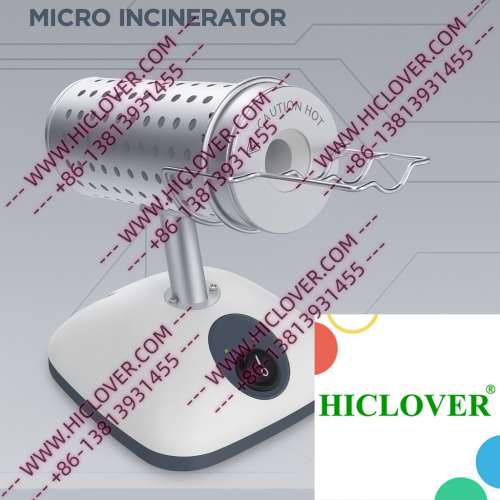
Laboratories, especially those operating under BSL-2 and BSL-3 conditions, face numerous biosafety risks. The generation of aerosols during sterilization can compromise the clean environment and expose laboratory personnel to potential hazards. Contamination control is crucial in both clinical diagnostics and research settings. Moreover, the demand for clean-bench-safe sterilization equipment has surged, necessitating a departure from traditional flame-based systems. With the rise of environmental consciousness, integrating technology that transforms waste into energy while sterilizing materials is more critical than ever.
Technical Principles of Micro Incinerators
The Infrared Inoculating Loop Sterilizer operates on a straightforward yet effective principle: rapid thermal sterilization through infrared heat emitted from a highly efficient enclosed ceramic tube. This specialized heating mechanism eliminates the need for open flames, allowing for an aerosol-free handling process that minimizes contamination risks. The infrared technology ensures that the sterilizing element reaches high temperatures in mere seconds, drastically reducing the time required for sterilization compared to traditional flame methods.
Comparative Table: Micro Incinerator vs. Flame Burners
| Feature | Micro Incinerator | Flame Burner |
|---|---|---|
| Heating Time | Seconds | Minutes |
| Safety | Flame-free operation | Open flame hazards |
| Energy Efficiency | High (low energy loss) | Variable (depends on type) |
| Environmental Impact | Waste-to-energy transformation | Non-sustainable waste generation |
Applications in Real Labs
- Biosafety Cabinets: In BSL-2 and BSL-3 labs, the Micro Incinerator can be integrated within biosafety cabinets, facilitating quick and efficient sterilization of inoculating loops and other reusable tools. This minimizes the risk of contamination while ensuring compliance with biosafety protocols.
- Field Testing Labs: Mobile or field laboratories benefit from the compact nature of Infrared Inoculating Loop Sterilizers. These units can easily adapt to various environments while providing consistent sterilization results. Their portability enhances their usability in remote locations, where traditional methods may not be feasible.
Compliance and Environmental Considerations
Complying with established laboratory sterilization standards is non-negotiable in sterile environments. According to the World Health Organization (WHO), adherence to strict biosafety protocols ensures worker safety and reduces the risk of contamination. Infrared Inoculating Loop Sterilizers align with these stringent guidelines, offering a clean method that avoids the use of flames in clean rooms. This feature is essential in meeting the lab’s operational standards while maintaining a safe workspace.
FAQs
- What is a Micro Incinerator? A Micro Incinerator is a sterilization device that uses infrared heat technology to quickly sterilize inoculating loops and other lab instruments without flames.
- How does the Infrared Inoculating Loop Sterilizer enhance laboratory safety? By eliminating flames, it reduces contamination risks and potential hazards related to open flames, thus maintaining a cleaner environment.
- Why are Micro Incinerators more energy efficient? They require significantly less time to reach sterilization temperatures, reducing energy consumption while providing effective sterilization.
- Can Micro Incinerators be used in field laboratories? Yes, their compact and mobile designs make them ideal for use in various settings, including field and remote testing labs.
- What standards do Micro Incinerators comply with? They meet WHO biosafety standards and various laboratory sterilization compliance requirements, ensuring safe and effective use in clinical settings.
Conclusion
The transition from traditional flame sterilizers to modern Micro Incinerators marks a significant advancement in laboratory practices. By integrating rapid thermal sterilization technology, laboratories can enhance their workflow efficiency, ensure compliance with biosafety standards, and adopt more sustainable practices through waste-to-energy solutions. If you’re ready to transform your sterilization processes and enhance your laboratory’s safety and efficiency, don’t hesitate to reach out for further information or to discuss purchase options.
Categories:
Tags: