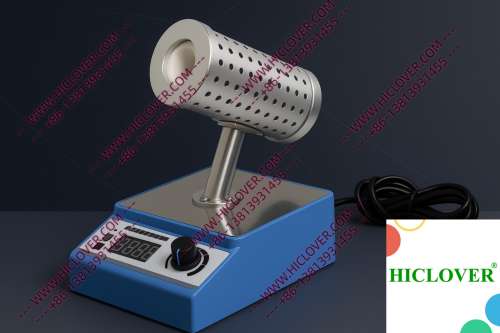
In the realm of laboratory biosafety, the challenges of contamination control persist. Ensuring sterile conditions is critical in environments that test infectious agents, prepare specimens, and conduct sensitive experiments. Traditional flame sterilizers, although effective to an extent, present safety risks, especially in clean rooms and biosafety laboratories. Fukuoka Hospital has embraced innovation by integrating advanced Micro Incinerator technology into their sterilization processes, addressing these present laboratory concerns with modern solutions.
The Technical Principles Behind Micro Incinerator Technology
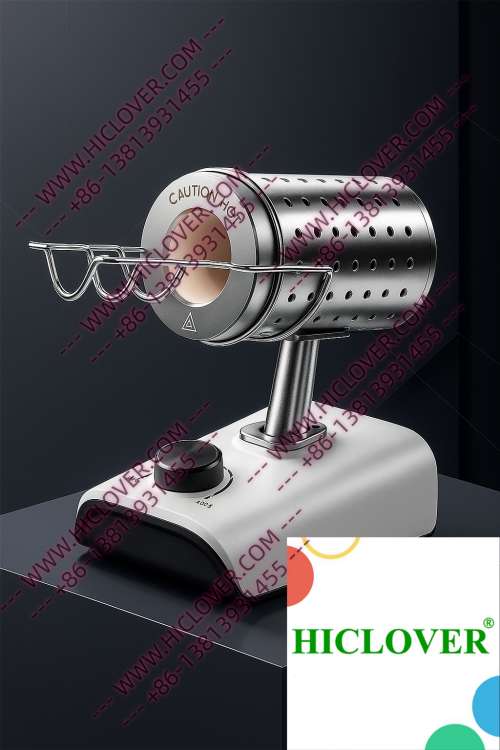
The core mechanism of the Micro Incinerator, or Infrared Inoculating Loop Sterilizer, lies in its use of infrared heat. Unlike traditional methods, this advanced device employs a ceramic heating chamber capable of achieving high temperatures in a fraction of a second. This design not only supports rapid thermal sterilization but also minimizes the risk of aerosol production, ensuring that contamination is effectively controlled and the atmosphere within the laboratory remains sterile.
The sterilization effect of infrared technology operates through a direct heat transfer that uniformly elevates the temperature of sterilizing tools without igniting volatile substances present around them. The enclosed ceramic tube protects users from accidental burns and ensures efficient energy utilization. Consequently, the Micro Incinerator stands out as a safe and effective solution for BSL-2 and BSL-3 labs.
Real-World Applications in Laboratory Settings
Application Scenario 1: Teaching Laboratories
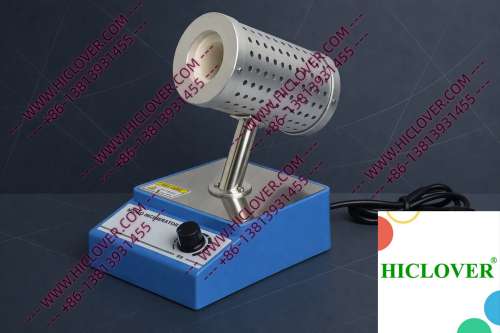
University teaching labs often require high safety standards and effective contamination control. In these settings, the Micro Incinerator provides an optimal solution for sterilizing inoculating loops and other laboratory instruments. The absence of an open flame allows for usage in biosafety cabinets without compromising the sterile environment, thus safeguarding both students and staff from potential hazards associated with flame sterilization techniques.
Application Scenario 2: Field Testing in Clinical Diagnostics
In mobile or field testing labs, quick, reliable sterilization is paramount. Utilizing the Micro Incinerator in remote healthcare settings enhances the capacity to conduct safe and effective clinical diagnostics. The compact nature of the Micro Incinerator makes it an ideal choice for transporting between locations, guaranteeing safety protocols and adherence to WHO biosafety standards even in challenging environments.
Compliance With Laboratory Sterilization Standards
In the quest for a harmonious operational environment, adhering to sterilization standards is non-negotiable. The WHO provides stringent guidelines for laboratory safety, urging facilities to comply with sterilization protocols to mitigate risks associated with biological agents. The Micro Incinerator aligns perfectly with these standards due to its flash sterilization capabilities and aerosol-free handling.
The absence of open flames makes it particularly suitable for clean rooms and environments sensitive to contamination.
Furthermore, with increasing focus on laboratory safety regulations, the Micro Incinerator demonstrates compliance with key international safety standards, outperforming traditional flame-based sterilizers.
Advantages of Micro Incinerators vs. Traditional Flame Sterilizers
| Feature | Micro Incinerator | Flame Sterilizers (e.g., Bunsen Burners) |
|---|---|---|
| Effectiveness | Rapid thermal sterilization | Variable temperature control |
| Safety | Aerosol-free handling, no open flame | Risk of burns, uncontrolled fire hazards |
| Energy Efficiency | Rapid heating, minimal energy loss | Slow cool-down period, more fuel consumption |
| Usability in Clean Rooms | Optimal | Not suitable |
Frequently Asked Questions
- What types of laboratories benefit most from using a Micro Incinerator?
The Micro Incinerator is ideal for microbiology laboratories, clinical diagnostics, and academic teaching environments where sterilization is critical. - How does infrared sterilization work compared to traditional methods?
Infrared sterilization uses focused heat generated from a ceramic source, removing the need for a flame and providing consistent, rapid sterilization. - Are there specific maintenance requirements for the Micro Incinerator?
Regular cleaning of the ceramic tube and ensuring that the heating element is unblemished help maintain the device’s efficiency. - Can the Micro Incinerator be used for all sterilization tasks in the lab?
While it is excellent for incinerating inoculating loops and laboratory tools, specific protocols should always be followed for different types of materials. - Is the Micro Incinerator compliant with international safety standards?
Yes, the Micro Incinerator adheres to WHO biosafety and lab sterilization standards, ensuring it meets safety requirements.
Conclusion
The integration of Micro Incinerator technology within sterilization workflows signifies a major step forward in laboratory safety and efficiency. With its rapid sterilization capabilities, compliance with biosafety regulations, and significant safety advantages over traditional flame sterilizers, the Micro Incinerator has become an essential tool in modern laboratories. Fukuoka Hospital’s adoption of this technology highlights a commitment to advanced laboratory practices and the push towards better biosafety standards.
For laboratories seeking to enhance their sterilization workflows, consider taking the next step in safety and performance by investing in Micro Incinerator technology. Connect with us today to explore options tailored to your laboratory’s needs!
Categories:
Tags: