
Laboratory biosafety poses a significant challenge in maintaining clean and controlled environments, particularly during sterilization processes. As laboratories strive to meet rigorous sterilization workflow demands, traditional methods such as alcohol lamps and Bunsen burners often fall short, especially when dealing with the need for rapid thermal sterilization and effective contamination control. Enter the Micro Incinerator, also known as the Infrared Inoculating Loop Sterilizer—a device that addresses these challenges and provides a practical solution for diverse laboratory settings.
Technical Principles of Micro Incinerators
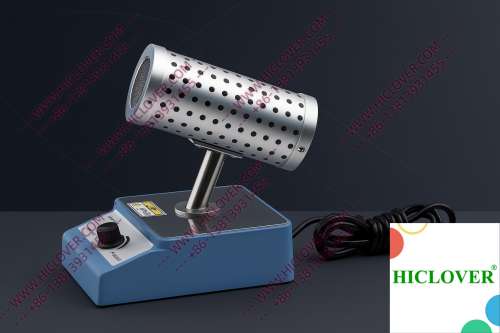
The Micro Incinerator operates on the principle of infrared heat generation, utilizing an enclosed ceramic tube designed to deliver high-temperature disinfection efficiently. This specialized heating element allows for precise temperature control, quickly reaching sterilization temperatures that effectively eliminate microbes and pathogens without the risks associated with open flame systems. Compared to traditional flame sterilizers, the Micro Incinerator offers notable advantages, including:
- Increased safety: The absence of an open flame minimizes the risk of fire and enhances the safety protocol in labs.
- Improved workflow: Its rapid heat-up function allows for swift sterilization cycles, thereby expediting laboratory processes.
- Enhanced contamination control: The enclosed design reduces aerosol production, maintaining a cleaner workspace—ideal for biosafety cabinets and clean benches.
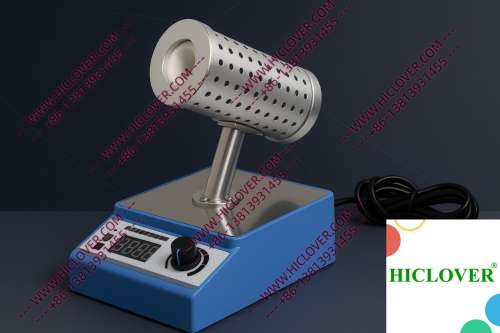
Application Scenarios in Real Labs
Biosafety Cabinet Use
In BSL-2 and BSL-3 microbiology labs, the integration of Micro Incinerators has revolutionized the sterilization of inoculating loops and other small tools. Within the biosafety cabinet, researchers can sterilize equipment with minimal risk of contamination; the infrared technology ensures effective disinfection while preserving the integrity of the sterile environment.
Field Testing and Teaching Labs
Field testing initiatives, particularly in remote regions, have increasingly adopted micro incinerators for their compact size and portability. These devices provide researchers with the ability to sterilize samples and equipment on-site, ensuring compliance with biosafety standards even in non-traditional lab settings. Furthermore, university teaching labs benefit from the use of micro incinerators, allowing students to learn sterilization techniques safely without the hazards posed by flame-based systems.
Compliance and Environmental Considerations
Safety compliance is paramount for laboratory sterilization. Authorities such as the World Health Organization (WHO) have established guidelines emphasizing the importance of efficient sterilization practices in laboratory environments. The Micro Incinerator not only meets but exceeds these standards by providing a flame-free solution that aligns with the stringent requirements of modern labs.
Additionally, reducing emissions and promoting a cleaner workspace aligns with environmental protections. In clean rooms and controlled environments, the absence of flames and aerosols ensures adherence to essential sterility protocols. This aligns with global laboratory sterilization standards, making the Micro Incinerator an excellent choice for facilities aiming to bolster their biosafety compliance.
Micro Incinerator vs. Flame Burners: A Comparison Table
| Feature | Micro Incinerator | Flame Burners (e.g., Bunsen Burners) |
|---|---|---|
| Heat Source | Infrared Heat | Open Flame |
| Safety | No Flame, Low Risk | Fire Hazard |
| Portability | Compact and Lightweight | Requires Gas and Accessories |
| Contamination Control | Aerosol-Free Handling | Higher Risk of Contamination |
| Heat-Up Time | Rapid Thermal Sterilization | Variable |
FAQs
What is a Micro Incinerator?
The Micro Incinerator is an advanced laboratory sterilization device that utilizes infrared heat to rapidly disinfect inoculating loops and other laboratory tools within a contained chamber, minimizing contamination risks.
Why choose a Micro Incinerator over traditional flame sterilizers?
Micro Incinerators offer enhanced safety, improved contamination control, and faster workflow processes compared to traditional flame sterilizers, making them particularly suitable for modern laboratory environments.
How does the Micro Incinerator comply with biosafety standards?
This device adheres to WHO biosafety guidelines, providing an effective sterilization method that meets stringent safety and environmental standards necessary for high-compliance laboratories.
Can Micro Incinerators be used in field testing laboratories?
Yes, due to their portability and safety features, Micro Incinerators are ideal for field testing environments where traditional flames may pose significant safety risks.
What are the advantages of using infrared technology for sterilization?
Infrared technology allows for rapid thermal sterilization, reducing the risk of fire, and ensuring higher levels of contamination control with minimal aerosol production.
Conclusion
The Micro Incinerator / Infrared Inoculating Loop Sterilizer is a game-changer in laboratory sterilization practices, offering increased safety and efficiency in an array of laboratory settings from academic institutions to high-security BSL facilities. As the demand for innovative sterilization solutions grows, investing in Micro Incinerators is not just a smart business decision; it’s a critical step towards ensuring laboratory safety and compliance. For more information or to make a purchase, feel free to contact us today!
Categories:
Tags: