
In the world of laboratory research and diagnostics, ensuring robust biosafety is a paramount concern. Laboratories face immense challenges in maintaining sterilization workflow efficiency while adhering to stringent safety standards. Every day, researchers, technicians, and students grapple with the necessity of effective sterilization methods that not only ensure safety but also promote operational efficiency.
Addressing Laboratory Sterilization Challenges
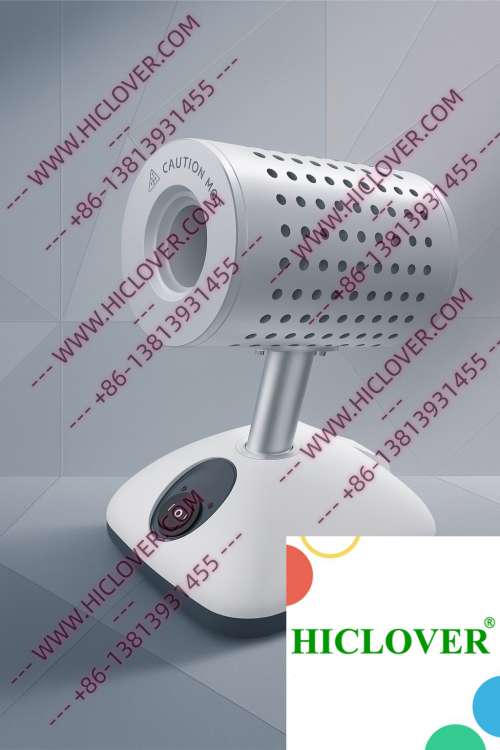
Traditional sterilization methods such as alcohol lamps and Bunsen burners have long been staples in various laboratory settings. However, they present significant challenges, including open flames that pose fire hazards, the potential for chemical exposure, and limited efficiency in heat transfer. These drawbacks necessitated the development of safer and more efficient alternatives. Enter the Micro Incinerator and its derivative, the Infrared Inoculating Loop Sterilizer, designed specifically to address the issues plaguing conventional flame sterilization.
Technical Principles of Micro Incinerators
The innovative design of micro incinerators leverages the power of infrared heat to achieve rapid thermal sterilization. This sophisticated device typically features an enclosed ceramic heating chamber that ensures high-temperature disinfection without the risks associated with open flames.
Unlike traditional methods, micro incinerators are engineered for aerosol-free handling, minimizing the risks of contamination and ensuring a clean workspace. The infrared technology directs heat primarily to the inoculating loops or other small instruments immediately, allowing for focused sterilization without the collateral hazards of flames or heated surfaces.
Applications in Real-World Laboratory Scenarios
- Biosafety Cabinets: In BSL-2 and BSL-3 microbiology labs, the use of micro incinerators significantly enhances safety protocols. Researchers can quickly and effectively sterilize loops and other small devices while working within a contained environment, promoting a higher level of contamination control.
- Field Testing Setups: Mobile or field testing labs equipped with micro incinerators allow for reliable sterilization on-site, ensuring that samples collected from various environments remain uncontaminated during transport and analysis.
Compliance and Environmental Considerations
Laboratories are held to stringent standards set by organizations such as the World Health Organization (WHO) and other regulatory bodies that emphasize the importance of biosafety. Compliance with these standards often mandates that labs employ sterilization methods that minimize flare materials and facilitate safer practices.
Micro incinerators align with the need for flame-free sterilization, making them ideal for clean space operations such as CO₂ incubator areas, where contamination from open flames could be detrimental to sensitive cultures. Furthermore, the compact design of these devices ensures that they can fit into virtually any lab setup—ensuring that compliance does not come at the expense of convenience.
Advantages Over Traditional Flame Sterilizers
| Feature | Micro Incinerator | Flame Sterilizers |
|---|---|---|
| Safety | Enclosed heating, no flames | Open flames, risk of fire |
| Efficiency | Rapid thermal sterilization | Slower, uneven heat distribution |
| Contamination Control | Aerosol-free design | Potential for cross-contamination |
| Portability | Compact, lab or field use | Less portable, needs steady surface |
Frequently Asked Questions (FAQs)
- What is a micro incinerator? A micro incinerator is a laboratory sterilization device that uses infrared heat for effective thermal sterilization without open flames, enhancing safety and operational efficiency.
- How does infrared sterilization compare to traditional methods? Infrared sterilization offers faster heating, improved safety without flames, and minimized aerosol risks compared to traditional methods such as Bunsen burners and alcohol lamps.
- Where can I use a micro incinerator? Micro incinerators are ideal for BSL-2 and BSL-3 laboratories, clinical diagnostics, university teaching labs, and mobile laboratory settings.
- What safety standards should labs follow? Laboratories must adhere to specified biosafety standards set by organizations like WHO, which recommend flame-free sterilization techniques for higher safety levels.
- Can micro incinerators be used in clean rooms? Yes, they are particularly suited for clean rooms as they eliminate the risk of contamination associated with traditional flame methods.
Conclusion: The Future of Laboratory Sterilization
As laboratories continue to evolve, the adoption of innovative sterilization solutions such as micro incinerators is no longer optional; it is essential. These devices represent a significant leap forward in sterilization technology, offering improvements in safety, efficiency, and compliance with global biosafety standards. If you’re looking to upgrade your laboratory’s sterilization protocols, contact us today for more information on how our micro incinerators can enhance your operations.
Categories:
Tags: