
In modern laboratory environments, particularly in biosafety level (BSL) 2 and BSL-3 microbiology labs, adhering to stringent sterilization workflows is crucial to ensure laboratory safety and efficacy. One area where laboratories face significant challenges is in effectively sterilizing inoculating loops and other small items used in microbiological practices. Traditional flame sterilizers, such as alcohol lamps and Bunsen burners, often present multiple issues, including the risks of flame-related accidents, inefficient sterilization, and undesirable odors. Enter the Micro Incinerator, a cutting-edge infrared inoculating loop sterilizer that promises to revolutionize the way laboratories approach sterilization and waste disposal.
The Technical Principles Behind Micro Incinerators
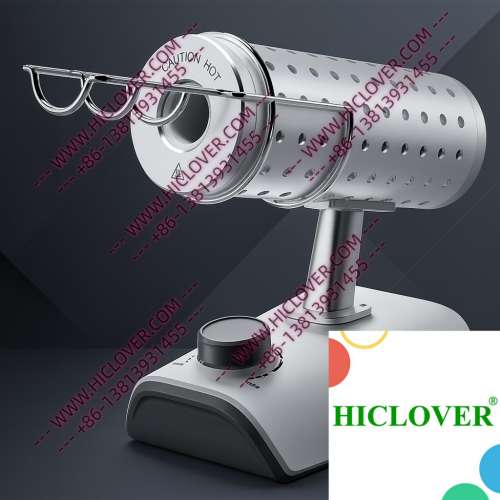
Micro incinerators leverage infrared heat, utilizing a ceramic heating chamber that ensures rapid thermal sterilization without the drawbacks associated with open flames. When a device like the Micro Incinerator is activated, it heats up to high temperatures almost instantaneously, providing precise and controlled heat to sterilize inoculating loops and other instruments efficiently. The enclosed ceramic tube helps in maintaining a steady temperature, allowing for an aerosol-free handling of potentially contaminated materials, thus improving contamination control. This is particularly important in fulfilling the biosafety requirements of modern laboratories.
Comparison: Micro Incinerator vs. Traditional Flame Sterilizers
| Features | Micro Incinerator | Flame Sterilizers |
|---|---|---|
| Sterilization Method | Infrared heat | Open flame |
| Odor Emission | Odor-free | Strong odors |
| Temperature Control | Precise and adjustable | Variable and hard to control |
| Safety | Safe in clean benches and BSL environments | Risk of burns and fire hazards |
| Portability | Compact and lightweight | Usually bulky and fixed |
Application Scenarios: Real-World Uses of Micro Incinerators
1. BSL-2 and BSL-3 Microbiology Labs
In a BSL-2 microbiology lab, where potentially infectious agents are handled, maintaining a kill-step for inoculating loops is vital. Here, microbiologists frequently utilize the Micro Incinerator for sterilizing their tools, ensuring rapid processing times without the risk associated with open flames. This leads to a cleaner and safer work environment, drastically improving workflow efficiency and waste disposal practices.
2. University Teaching Labs
In educational settings, where students learn fundamental microbiological techniques, employing the Micro Incinerator not only enhances safety but also engages students in the practice of modern sterilization techniques. Its ease of use allows instructors to focus on teaching, rather than spending time mitigating safety hazards associated with traditional flame sterilizers. The convenience and reliability of these devices promote a more effective learning experience.
Compliance and Environmental Considerations
With the World Health Organization (WHO) and other international health bodies emphasizing strict compliance with biosafety standards, laboratories must equip themselves with tools that align with these regulations. Open flames are not permitted in clean rooms and other high-standard environments due to the risk of contamination and potential for fire hazards. The Micro Incinerator adheres to these regulations by being a clean, safe, and efficient option for sterilization. These units are suitable for environments where strict compliance to laboratory sterilization standards is non-negotiable.
FAQs about Micro Incinerators
- What is the primary advantage of a Micro Incinerator compared to a traditional flame sterilizer?
The Micro Incinerator offers odor-free sterilization with precise temperature control, significantly enhancing safety and efficiency in laboratory settings.
- Is it safe to use a Micro Incinerator in a BSL-3 laboratory?
Yes, the Micro Incinerator is designed for use in BSL-3 laboratories since it eliminates the risk associated with flames, promoting a safer working environment.
- How does the Micro Incinerator work to sterilize tools?
The device uses infrared heat to reach high temperatures, effectively killing pathogens within seconds.
- Can a Micro Incinerator be used in field testing labs?
Absolutely, its compact design makes it a perfect tool for sterilization in mobile or field testing labs.
- What kind of maintenance does a Micro Incinerator require?
Minimal maintenance is required. Regular cleaning of the ceramic heating chamber ensures optimal functionality over time.
Conclusion: Embrace the Change in Laboratory Sterilization
As laboratories strive to meet increasing biosafety demands, transitioning to innovative equipment like the Micro Incinerator is not just a choice, but a necessity. Its ability to provide rapid thermal sterilization without the risks associated with traditional flame sterilizers makes it an essential tool for any modern laboratory. Whether you are in a BSL-2 lab handling pathogens or a university teaching lab guiding the next generation of microbiologists, investing in a Micro Incinerator enhances both safety and efficiency. For further inquiries or to purchase, don’t hesitate to contact us today—experience the future of laboratory sterilization and waste disposal.