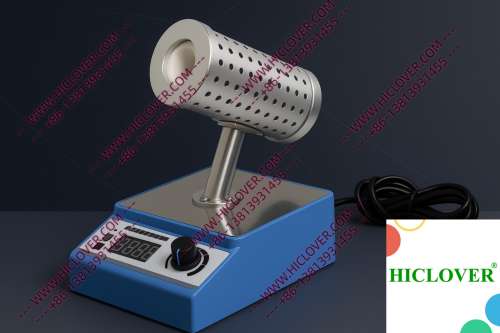
In today’s world of advanced laboratory practices, the challenge of maintaining biosafety while ensuring effective sterilization has never been more critical. Laboratories across various fields, such as microbiology, clinical diagnostics, and educational institutions face the constant demand for stringent sterilization protocols to prevent contamination. Enter low smoke sterilizer heaters, particularly the Micro Incinerator or Infrared Inoculating Loop Sterilizer, which represent a leap forward in rapid thermal sterilization technology.
Understanding the Technical Principles of Infrared Sterilizers
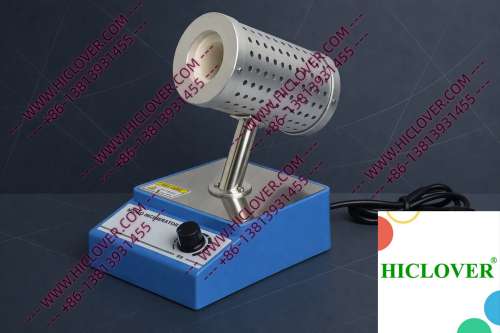
The micro incinerator employs infrared heat to provide an efficient and effective means of sterilization. Unlike traditional flame-based systems, which can introduce aerosols and pose risks in clean environments, the infrared inoculating loop sterilizer utilizes a ceramic heating chamber that achieves high temperatures rapidly without the need for open flames. This enclosed system significantly reduces the risk of contamination during use.
This technology is particularly advantageous in sterile environments, such as Biosafety Level 2 (BSL-2) and BSL-3 laboratories, where the control of infectious agents is paramount. The sterilizer’s precision ensures uniform heating, allowing for thorough disinfection of inoculating loops and other small lab instruments in mere seconds.
Key Features of Micro Incinerator / Infrared Inoculating Loop Sterilizer
- Rapid thermal sterilization up to 850°C.
- Enclosed ceramic tube design for safety and efficiency.
- Aerosol-free handling, minimizing risk of contamination.
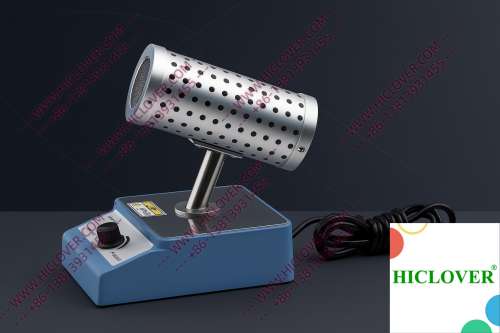
- Compact design suitable for tight laboratory spaces.
- Energy-efficient operation reducing overall laboratory costs.
Application Scenarios in Real Laboratories
Biosafety Cabinets
In a BSL-2 lab, researchers often work with pathogenic microorganisms. The use of a micro incinerator within a biosafety cabinet presents a double layer of security. As inoculating loops are sterilized, the closed nature of the incinerator prevents any aerosol escapes, protecting the researcher and the surrounding environment. Quick sterilization further streamlines workflows, allowing for faster experiment turnover without compromising safety protocols.
Field Testing and Mobile Labs
In mobile or field testing labs, where traditional sterilization methods may not be feasible, the compact and lightweight design of the infrared inoculating sterilizer proves invaluable. Its portability allows for rapid sterilization in various environments—from remote locations to classrooms. Laboratories can maintain required sterilization standards while accurately collecting samples in the field, paving the way for timely analysis.
Compliance and Environment Considerations
The importance of compliance with biosafety regulations cannot be overstated. The World Health Organization (WHO) emphasizes the need for strict sterilization protocols to prevent biological hazards. Existing lab sterilization standards mandate that laboratories employing open flames refrain from using them in clean rooms or areas housing sensitive equipment. In addition, labs are encouraged to adopt low smoke sterilization alternatives to meet environmental concerns, as traditional flame sterilizers produce smoke and particulates that compromise air quality.
The micro incinerator helps facilities adhere to these standards while also reducing airborne pollutants. Its advanced design aligns with modern sustainability practices, making it an ideal choice for laboratories looking to enhance their environmental commitment.
Comparative Overview: Micro Incinerator vs. Flame Sterilizers
| Feature | Micro Incinerator | Flame Sterilizers |
|---|---|---|
| Temperature Control | Consistent, adjustable | Variable, difficult to maintain |
| Risk of Contamination | Low (aerosol-free) | Higher (open flames) |
| Energy Efficiency | High | Medium |
| Portability | Very high | Low |
| Compliance with Safety Standards | Meets and exceeds WHO standards | Often hard to comply |
FAQs about Low Smoke Sterilizer Heaters
1. What types of laboratories benefit most from a Micro Incinerator?
Micro Incinerators are ideal for BSL-2 and BSL-3 microbiology labs, clinical diagnostics, and university teaching labs where contamination control is critical.
2. How does the infrared sterilization process work?
The infrared sterilizer uses ceramic heating elements to reach high temperatures quickly, allowing for rapid thermal sterilization without open flames, minimizing aerosol risks.
3. Why should I choose an infrared sterilizer over a traditional flame sterilizer?
Infrared sterilizers provide greater safety, efficiency, and compliance with biosafety standards, reducing the risk of contamination in sensitive laboratory environments.
4. Can the Micro Incinerator be used in field applications?
Yes, its compact design and rapid heating make it perfect for field testing scenarios where portability and efficiency are vital.
5. What are the environmental advantages of using a Micro Incinerator?
Micro Incinerators reduce smoke emissions, help maintain cleaner air quality, and comply with environmental safety standards required by modern laboratories.
Conclusion
In modern laboratories grappling with the complexities of contamination control and biosafety standards, low smoke sterilizer heaters like the Micro Incinerator emerge as essential tools. Their unique combination of rapid thermal sterilization, safety advantages, and compliance with global standards make them a wise investment for any lab committed to high-quality performance without compromise. Contact us today to learn more about integrating this advanced sterilization solution into your laboratory workflow.
Categories:
Tags: