
In a world increasingly focused on cleanliness and biosafety, laboratories in Brazil face practical sterilization challenges that demand innovative solutions. Conventional sterilization methods, such as alcohol lamps and Bunsen burners, fall short in multiple aspects, particularly in terms of safety and efficiency. This is where micro incinerators, specifically the Micro Incinerator / Infrared Inoculating Loop Sterilizer, step in as a revolutionary alternative that not only meets stringent sterilization requirements but also addresses broader environmental concerns associated with plastic waste management.
Technical Principles and Design of Micro Incinerators
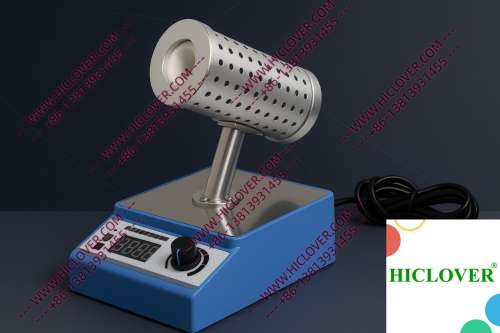
The core technology of micro incinerators utilizes infrared heat generated within an enclosed ceramic tube, facilitating rapid thermal sterilization of inoculating loops and other laboratory instruments. This enclosed design offers several advantages over traditional flame-based methods. By eliminating open flames, micro incinerators reduce the risk of aerosol contamination and enhance safety in cleanroom environments.
- Efficiency: The infrared heating method provides uniform temperature distribution, ensuring comprehensive disinfection of surfaces.
- Safety: The absence of flames minimizes ignition risks, essential in biosafety cabinet operations.
- Environmentally Friendly: They produce less waste and use fewer resources than alcohol or gas-based systems.
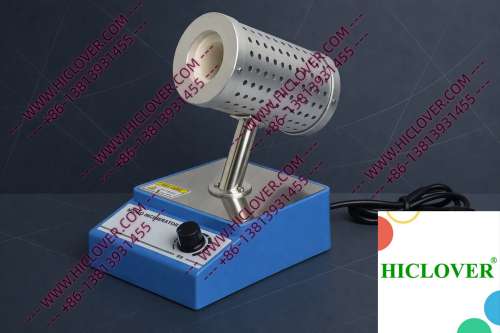
The Micro Incinerator features a compact design, making it a perfect fit for various laboratory settings, from clinical diagnostics to university teaching labs. Its efficient operation not only speeds up workflow but also strengthens contamination control protocols, crucial for BSL-2 and BSL-3 microbiology labs.
Applications Across Diverse Laboratory Settings
Micro incinerators have been effectively integrated into multiple laboratory environments in Brazil, addressing specific sterilization needs and compliance requirements.
Biosafety Cabinets
In highly controlled laboratory environments, biosafety cabinets serve as essential equipment for protecting users and samples from contamination. Utilizing micro incinerators within these cabinets allows for immediate sterilization of tools without the need for lingering flames. This integration ensures:
- Enhanced safety for laboratory personnel.
- Reduced time delays in sterilization workflows.
Field Testing Labs
For mobile laboratories operating in field testing scenarios, traditional flame sterilizers can introduce risks not practical in on-site conditions. Micro incinerators provide an effective alternative:
- Portability that enhances usability in diverse settings.
- Capability to operate safely amidst environmental challenges.
In these applications, micro incinerators not only assure immediate and complete sterilization of instruments but also contribute positively to the overall efficiency of laboratory processes.
Compliance and Environmental Impact
Micro incinerators help laboratories meet crucial compliance standards established by the World Health Organization (WHO) and other regulatory bodies governing biosafety and lab sterilization protocols. Laboratories must adhere to stringent regulations that govern the usage of sterilization equipment, particularly in environments where infectious agents are handled.
For example, the non-reliance on flames makes micro incinerators an ideal match for cleanrooms, where any contamination could compromise sensitive operations. Their compliance with lab sterilization standards, including the strict adherence to aerosol-free handling, positions these devices as essential tools in laboratories aiming for the highest biosafety standards.
Advantages Over Traditional Flame Sterilizers
A comparative analysis between micro incinerators and traditional flame sterilizers reveals distinct advantages:
| Feature | Micro Incinerator | Flame Sterilizers |
|---|---|---|
| Safety | No open flame; reduced ignition risks | Flame poses safety hazards |
| Heat Distribution | Uniform infrared heating | Potential hot spots |
| Contamination Control | Aerosol-free | May contribute to aerosol generation |
| Environmental Impact | Reduced plastic waste | Higher resource consumption |
FAQs About Micro Incinerators
1. What are the advantages of using a micro incinerator over a Bunsen burner?
Micro incinerators provide enhanced safety, faster sterilization times, and eliminate aerosol production, making them ideal in sensitive lab environments.
2. Can micro incinerators be used in field settings?
Yes, their compact size and safety features make them suitable for use in field testing labs while ensuring effective sterilization away from traditional lab setups.
3. Are micro incinerators compliant with WHO biosafety standards?
Absolutely, micro incinerators are designed to meet international biosafety and sterilization standards, ensuring safe handling and disposal in lab environments.
4. How does infrared heating work in sterilization?
Infrared heating generates high temperatures within an enclosed system, allowing for rapid thermal sterilization without the risks associated with open flames.
5. What types of labs can benefit from using micro incinerators?
Biosafety laboratories, clinical diagnostics facilities, university teaching labs, and even field testing labs can greatly benefit from the features of micro incinerators.
Conclusion
As Brazil grapples with pressing plastic waste issues and laboratory sterilization challenges, the implementation of micro incinerators offers a practical solution that enhances biosafety while promoting environmental sustainability. By moving towards advanced sterilization technologies like the Micro Incinerator / Infrared Inoculating Loop Sterilizer, laboratories can achieve not only compliance with international standards but also significant improvements in safety and efficiency.
If you’re interested in upgrading your laboratory’s sterilization capabilities while embracing a more sustainable future, consider contacting us for more information on procurement opportunities for high-quality micro incinerators. Together, we can pave the way for safer, cleaner laboratories.
Categories:
Tags: