
Laboratories today face pressing biosafety challenges, particularly in settings where contamination control is critical. From high-throughput clinical diagnostics to the educational setups of university teaching labs, the need for effective sterilization equipment has never been more pronounced. In Ethiopia, where waste management remains a significant issue, the adoption of efficient sterilization methods such as the Micro Incinerator, specifically the Infrared Inoculating Loop Sterilizer, offers a glimmer of hope.
Understanding Micro Incinerators
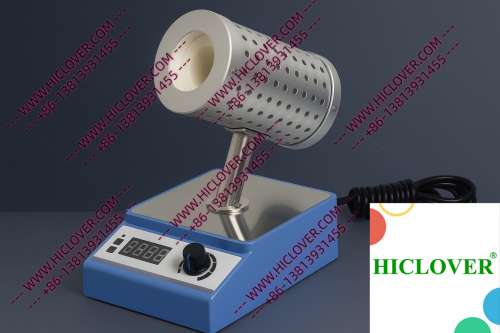
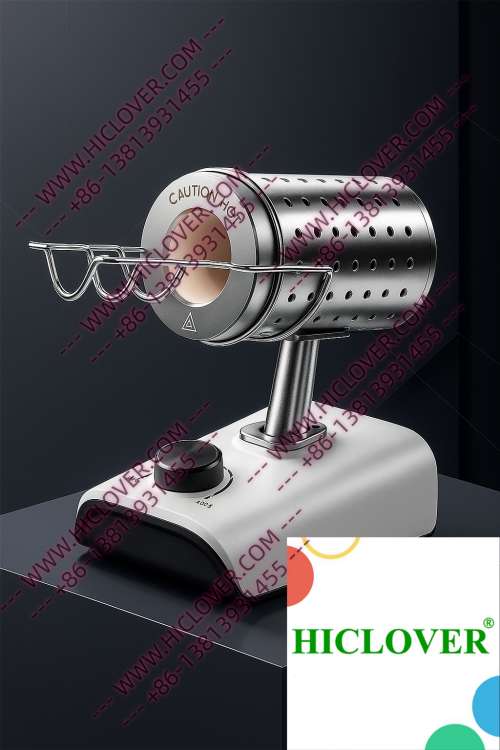
The Micro Incinerator utilizes advanced infrared heat technology to deliver rapid thermal sterilization. Its enclosed ceramic heating chamber generates high-temperature disinfection, which effectively eliminates microbial contaminants without the use of open flames. This feature not only enhances safety in clean bench environments but also simplifies sterilization workflows.
Technical Configuration
Unlike traditional flame sterilizers such as Bunsen burners or alcohol lamps, the Micro Incinerator provides a clean and controlled sterilization environment. The infrared heating element minimizes aerosol generation, which is particularly important in biosafety labs (BSL-2 / BSL-3) where airborne pathogens could pose serious risks.
- Infrared Heating: Allows for precise temperature control.
- Enclosed Ceramic Tube: Prevents fire hazards and helps maintain a sterile work area.
- Compact Design: Ideal for labs with limited space.
Use Cases: Applications in Laboratory Settings
Biosafety Cabinets and Micro Incinerators
In biosafety cabinets, where samples are protected from contamination, using a Micro Incinerator can further enhance sterility protocols. This set-up allows laboratory personnel to safely sterilize inoculating loops and other tools without introducing flame, which can disturb the controlled airflow within the biosafety cabinet.
Field Testing Innovations
The utilization of Micro Incinerators extends to field testing scenarios, where rapid onsite sterilization is crucial for collecting accurate data. In remote locations, having a portable sterilization solution allows for immediate disinfection of sampling tools and equipment without the need for refueling or complicated setups. This accessibility reinforces adherence to WHO biosafety guidelines.
Compliance and Environmental Considerations
As global health standards evolve, compliance with lab sterilization regulations becomes increasingly important. The Micro Incinerator adheres to WHO biosafety standards and various laboratory sterilization protocols, eliminating open flames in clean rooms, which are prohibited due to safety concerns. Moreover, its design significantly reduces environmental impact compared to traditional flame sterilizers.
“The implementation of infrared sterilization not only meets scientific and regulatory standards but also provides a safer and more efficient alternative for lab personnel.” – WHO Biosafety Guidelines
Micro Incinerator vs. Traditional Flame Sterilizers
| Feature | Micro Incinerator | Flame Sterilizer |
|---|---|---|
| Heat Source | Infrared | Alcohol/Bunsen |
| Safety | High (no open flame) | Moderate (fire hazards) |
| Speed of Sterilization | Rapid | Varies |
| Aerosol Generation | None | Possible |
| Portability | Compact and mobile | Less portable |
Frequently Asked Questions
What types of labs benefit from using Micro Incinerators?
Micro Incinerators are ideal for BSL-2 and BSL-3 microbiology labs, clinical diagnostics, university teaching labs, and mobile field testing laboratories due to their effective sterilization capabilities without the risk of fire hazards.
How does the Micro Incinerator ensure compliance with safety standards?
The Micro Incinerator follows WHO biosafety guidelines and laboratory sterilization standards, ensuring safe operations without flame in clean environments.
What are the advantages of using a Micro Incinerator over traditional sterilizers?
Compared to traditional sterilizers, Micro Incinerators offer higher safety levels, rapid sterilization times, and minimal aerosol generation, making them a preferred choice in modern laboratories.
Can Micro Incinerators be used in combination with other lab equipment?
Yes, Micro Incinerators are designed to work seamlessly with biosafety cabinets and other lab equipment, improving overall sterilization protocols.
What is the average lifespan of a Micro Incinerator?
With proper maintenance, a Micro Incinerator can last several years, providing a reliable sterilization solution for laboratory environments.
Conclusion: The Future of Sterilization in Ethiopia
The need for effective waste management solutions in Ethiopia is paramount, and the Micro Incinerator represents a practical response. For laboratory supply distributors, hospitals, universities, and research centers, this innovative sterilization equipment enhances safety and efficiency. Embrace the future of sterilization—consider integrating a Micro Incinerator into your lab operations today. For inquiries or to place an order, please contact us!
Categories:
Tags: