
In the realm of laboratory operations, sterilization remains a critical component of maintaining biosafety and preventing contamination. Traditional methods of sterilization, such as alcohol lamps or Bunsen burners, often pose significant challenges in terms of safety and contaminants control. As laboratories push for enhanced efficiency in sterilization workflows, Micro Incinerators, specifically Infrared Inoculating Loop Sterilizers, are becoming increasingly important. They represent a cleaner, safer, and faster alternative to traditional flame-based sterilizers.
Understanding Micro Incinerators
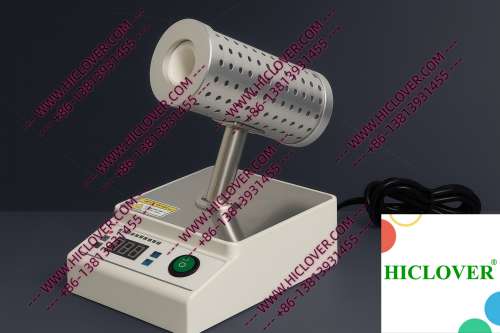
Micro Incinerators utilize highly controlled infrared heat within an enclosed ceramic tube to achieve rapid thermal sterilization, effectively neutralizing pathogens without the risk associated with open flames. This innovative approach to sterilization not only enhances safety but also enables aerosol-free handling of inoculating loops and other laboratory tools. The central feature of these devices is the ceramic heating chamber, which can heat tools to up to 800°C within seconds, ensuring thorough disinfection.
Key Advantages Over Traditional Flame Sterilizers
- Enhanced Safety: No open flames reduce the risk of fire hazards and burns.
- Rapid Sterilization: Instant heating speeds up laboratory workflows.
- Environmentally Friendly: No toxins are released, making it clean-bench-safe.
- Consistent Performance: Precise temperature control ensures effective contamination control.
- Reduced Waste: Minimal fuel and material waste compared to traditional methods.
Real-World Applications
1. BSL-2/BSL-3 Microbiology Labs
In BSL-2 and BSL-3 laboratories where potentially hazardous microorganisms are handled, the need for stringent biosafety measures is paramount. Micro Incinerators are particularly well-suited for these environments due to their ability to sterilize inoculating loops effectively and quickly without the risk of aerosol generation. Operating within biological safety cabinets, these sterilizers contribute to a significantly lower risk of contamination and facilitate safer handling protocols.
2. University Teaching Labs
In educational settings, such as university teaching labs, the usability and safety of sterilization equipment are critical. Micro Incinerators not only provide an effective means for sterilizing tools but also serve as a learning tool for students to understand the principles of aseptic techniques and biosafety practices. Their compact size and efficient performance make them ideal for frequently changing teaching scenarios, allowing students to focus on hands-on learning without the worry of working near open flames.
Compliance and Environmental Responsibility
Adhering to biosafety standards set forth by organizations such as the World Health Organization (WHO) is essential for laboratory operations. The use of Micro Incinerators aligns with WHO guidelines on laboratory sterilization, ensuring that labs maintain high safety and environmental responsibility levels. Crucially, these sterilizers eliminate the need for flames in cleanroom environments, which is often a stipulation in laboratory quality certifications. This compliance assists laboratories in obtaining necessary certifications while protecting both personnel and the environment.
Micro Incinerator vs. Flame Sterilizers: A Comparative Overview
| Feature | Micro Incinerator | Flame Sterilizers |
|---|---|---|
| Temperature Control | Precise & Consistent | Variable & Unstable |
| Safety | No Open Flames | Fire Hazard |
| Speed of Sterilization | Instant | Time-Consuming |
| Environmental Impact | Minimal Emissions | Fuel Emissions |
Frequently Asked Questions
What is the temperature range of a Micro Incinerator?
Micro Incinerators typically reach temperatures up to 800°C, enabling rapid sterilization of tools.
Can Micro Incinerators be used in a cleanroom setting?
Yes, they are designed to operate without producing flames or aerosols, making them ideal for sterile environments.
How long does it take to sterilize an inoculating loop?
The sterilization process takes just a few seconds in a Micro Incinerator, significantly reducing waiting times.
Are there any specific maintenance requirements?
Micro Incinerators require regular cleaning of the ceramic tube to ensure efficiency and hygiene.
Can Micro Incinerators be used for other sterilization needs beyond inoculating loops?
Yes, they can be utilized for various laboratory tools, including forceps and blades, making them versatile in a lab setting.
Conclusion
Micro Incinerators offer substantial advantages over traditional flame sterilizers by providing rapid, safe, and environmentally responsible sterilization solutions tailored for modern laboratory demands. Whether in high-containment microbiology labs or educational environments, leveraging this advanced sterilization technology is essential for ensuring compliance and enhancing laboratory workflows. If you’re looking to upgrade your laboratory’s sterilization equipment, don’t hesitate to reach out for more information on acquiring a Micro Incinerator.
Categories:
Tags: