
Today’s laboratories are confronted with stringent biosafety challenges that necessitate effective sterilization methods. With a rise in experiments and sample handling, maintaining contamination control is crucial. Traditional flame sterilizers like alcohol lamps and Bunsen burners, while widely used, present various shortcomings—risk of contamination, variable heat application, and safety hazards in cleanroom environments. Enter the Micro Incinerator, particularly the Infrared Inoculating Loop Sterilizer, which is revolutionizing lab sterilization workflows.
How Micro Incinerators Work
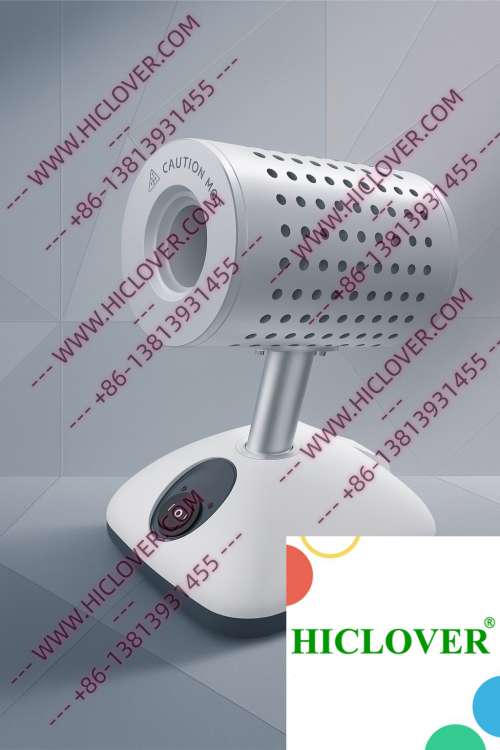
The principle behind the Micro Incinerator is its use of infrared high-temperature disinfection through a ceramic heating chamber. Unlike conventional flame-based sterilizers that can produce harmful aerosols and require constant flame control, micro incinerators utilize infrared heat emitted from a heated ceramic element, providing rapid thermal sterilization to inoculating loops and other lab tools. This sealed design ensures that no open flame is present, making it suitable for use in clean benches and biosafety cabinets.
Real-World Applications
Several laboratories across various fields are leveraging the advantages of micro incinerators. Here are two notable scenarios:
1. University Teaching Laboratories
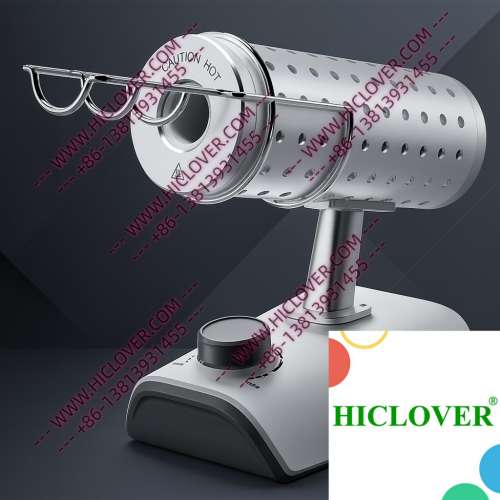
In academic settings, particularly in university microbiology departments, micro incinerators are utilized during lab practicals where students handle microbial cultures. Their ability to quickly sterilize inoculating loops between uses aids in the prevention of cross-contamination, ensuring students develop safe lab practices. The infrared design minimizes the risk associated with open flames, which is particularly advantageous in teaching environments where many students share equipment.
2. Clinical Diagnostics in Field Testing Laboratories
Field testing labs, often deployed for immediate testing in remote environments, are another area where micro incinerators shine. In regions lacking stable power supplies, traditional sterilization methods may not be viable. Micro incinerators provide a self-contained, quick, and reliable way to sterilize instruments on-site, maintaining compliance with international biosafety standards while handling samples and pathogens in real-time.
Compliance and Environmental Considerations
Adherence to safety standards is paramount in laboratory operations. The World Health Organization (WHO) outlines essential guidelines for laboratory biosafety, emphasizing that flame sterilizers are often discouraged in cleanroom environments due to by-products from combustion. As micro incinerators produce no flame and minimize aerosol generation, they meet stringent sterilization standards more effectively, making them suitable for environments like BSL-2 and BSL-3 microbiology labs.
- WHO biosafety recommendations
- Regulatory standards for lab sterilization equipment
- Compliance with cleanroom protocols
Advantages of Micro Incinerators Over Traditional Flame Sterilizers
Here’s a comparison table highlighting the significant advantages that micro incinerators hold over traditional flame sterilizers:
| Feature | Micro Incinerator | Flame Sterilizer |
|---|---|---|
| Heating Method | Infrared | Open Flame |
| Contamination Risk | Minimal | Higher |
| Power Source | Electric | Gas/Alcohol |
| Lab Safety | High – Cleanroom Safe | Medium – Risk of Fire/Aerosols |
Frequently Asked Questions
- What are the main benefits of using a micro incinerator in my lab?
The main benefits include reduced contamination risks, compliance with safety standards, and rapid sterilization without the hazards associated with open flames. - Can I use a micro incinerator in a BSL-3 lab?
Yes, micro incinerators are safe and effective tools suitable for BSL-2 and BSL-3 biosafety laboratory settings, complying with necessary sterilization protocols. - How long does it take to sterilize implements with a micro incinerator?
Sterilization time is typically under 10 seconds, allowing for efficient lab workflows. - What types of labs most benefit from micro incinerators?
University teaching labs, field testing labs, and clinical diagnostics laboratories can greatly benefit from micro incinerators due to their diverse application needs. - Are micro incinerators environmentally friendly?
Yes, they eliminate the carbon emissions produced by traditional flame sterilizers, reducing your laboratory’s environmental footprint.
Conclusion
Micro Incinerators, exemplified by the Infrared Inoculating Loop Sterilizer, are transforming laboratory sterilization practices while enhancing safety and compliance across various laboratory environments. Institutions looking for reliable, effective, and environmentally friendly sterilization solutions should consider adopting this advanced technology. Explore how micro incinerators can meet your lab’s unique sterilization needs—contact us today for more information.
Categories:
Tags: