
In the evolving landscape of laboratory biosafety, the demand for effective and efficient sterilization methods has never been greater. Faced with stringent regulations and an ever-growing need for contamination control, Canadian laboratories—ranging from BSL-2 and BSL-3 microbiology labs to teaching institutions—are adopting innovative technologies to meet these challenges. Among these innovations, micro incinerators, specifically the Infrared Inoculating Loop Sterilizer, stand out as a compact yet powerful solution for laboratory waste management and sterilization needs.
Understanding Micro Incinerators
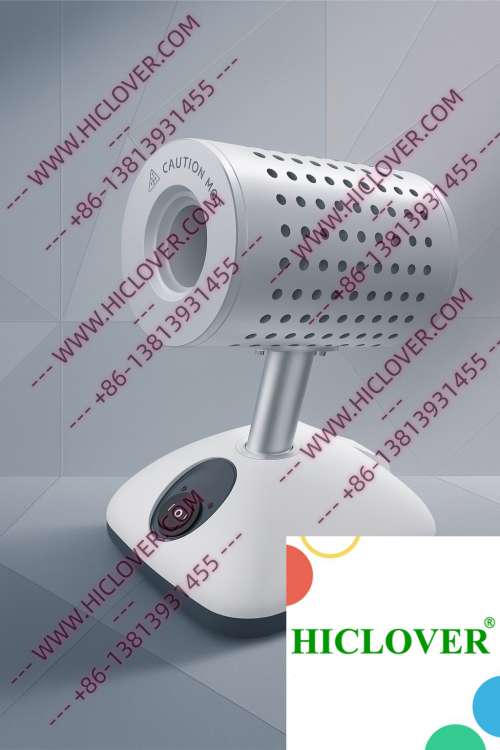
Micro incinerators operate based on the principles of rapid thermal sterilization, utilizing infrared heat to achieve high-temperature disinfection. Unlike traditional flame sterilizers such as Bunsen burners and alcohol lamps, micro incinerators feature a ceramic heating chamber that safely contains heat without the risks associated with naked flames. This configuration allows for clean-bench-safe operation, minimizing the potential for contamination in sensitive environments.
Technical Principles of Operation
The Infrared Inoculating Loop Sterilizer utilizes a precise infrared heating element, allowing it to reach sterilization temperatures swiftly—often in under 10 seconds. The enclosed ceramic tube not only ensures effective thermal distribution but also protects users from direct heat exposure, making it ideal for environments where safety is paramount.
- Rapid Heating: Quickly achieves high temperatures for efficient sterilization.
- Compact Design: Ideal for limited bench space in laboratories and teaching environments.
- Aerosol-free Handling: Reduces risks associated with aerosol generation during sterilization.
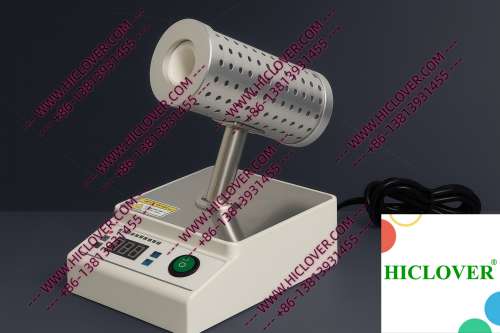
Application Scenarios in Real Labs
1. Biosafety Cabinets
The use of micro incinerators in biosafety cabinets highlights their versatility. In BSL-2 and BSL-3 microbiology labs, researchers often require rapid sterilization between sample handling. The Infrared Inoculating Loop Sterilizer can be seamlessly integrated into these cabinets, allowing scientists to sterilize inoculating loops and other tools without affecting airflow or introducing open flames, which could compromise the sterile environment.
2. Teaching Labs and Educational Institutions
Colleges and universities in major Canadian cities like Toronto and Vancouver are increasingly incorporating micro incinerators within their biology and microbiology curricula. In student laboratories, these compact devices not only ensure a safe learning environment free from flame hazards but also demonstrate the principles of sterilization in an engaging and efficient manner. Here, students can practice essential skills without the associated risks of traditional methods.
Compliance and Environmental Considerations
As laboratories face growing scrutiny regarding biosafety standards, the importance of compliance cannot be overstated. Micro incinerators align with WHO biosafety regulations and provide a viable alternative in labs where open flames are prohibited, such as clean rooms and sterile manufacturing facilities. Moreover, their reduced carbon footprint and minimal waste generation support laboratory sustainability initiatives.
In contrast to traditional flame sterilizers, micro incinerators eliminate the common hazards of spillages or fires, contributing to a safer work environment. Furthermore, the absence of liquid fuels and the lower risk of aerosol production align with contemporary biosafety practices, making them ideal for sensitive clinical diagnostic and educational lab environments.
Advantages Over Traditional Flame Sterilizers
| Feature | Micro Incinerators | Flame Sterilizers |
|---|---|---|
| Heating Method | Infrared | Open Flame |
| Safety | High | Moderate to Low |
| Speed of Sterilization | Rapid | Variable |
| Contamination Risk | Low | Higher |
| Environmental Impact | Minimal | Higher |
FAQs about Micro Incinerators
1. What types of laboratories benefit from using micro incinerators?
Micro incinerators are especially beneficial in BSL-2 and BSL-3 laboratories, clinical diagnostics settings, and teaching labs due to their safe operation and efficient sterilization capabilities.
2. How does the infrared sterilization process work?
The infrared sterilization process works by rapidly heating the ceramic tube to high temperatures, achieving effective disinfection without the risks associated with open flames.
3. Are micro incinerators compliant with laboratory safety standards?
Yes, micro incinerators comply with WHO biosafety regulations and other laboratory safety standards, making them suitable for use in clean rooms and other sensitive environments.
4. Can micro incinerators be used in field testing situations?
Absolutely! The compact and portable nature of micro incinerators makes them an excellent choice for field testing, where traditional sterilization methods are impractical.
5. What is the lifespan of a micro incinerator?
Typically, micro incinerators are designed for long-term use, with heating elements that can sustain hundreds of cycles, reducing the need for frequent replacements.
Conclusion
As Canadian laboratories strive to enhance their operational efficiencies while maintaining stringent safety standards, micro incinerators represent a game-changing solution for laboratory waste challenges. From their rapid thermal sterilization capabilities to their robust compliance with biosafety guidelines, these devices not only promise improved workflow but also help maintain a culture of safety in diverse laboratory settings. To explore how micro incinerators can transform your laboratory processes, contact us today or visit our website for more details.
Categories:
Tags: