
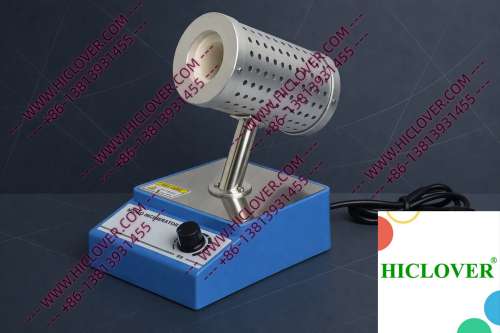
Laboratories in Melbourne face stringent biosafety challenges, particularly when it comes to effective sterilization practices. As the demand for reliable sterilization tools grows, so does the need for compliance with local regulations governing laboratory operations. Among these solutions, the Micro Incinerator, often referred to as the Infrared Inoculating Loop Sterilizer, stands out as an essential piece of laboratory sterilization equipment that addresses both efficiency and safety concerns.
Modern Sterilization Challenges in Laboratories
Laboratory environments—whether they be biosafety level 2 (BSL-2) or BSL-3 labs, clinical diagnostic centers, or university teaching laboratories—require stringent sterilization protocols to maintain contamination control. Traditional methods such as alcohol lamps and Bunsen burners pose several challenges:
- Risk of open flames leading to potential fire hazards, especially in clean rooms.
- Increased risk of aerosol generation, which compromises the sterile environment.
- Manual supervision needed, which can interrupt workflow and focus.
The introduction of devices like micro incinerators allows for rapid thermal sterilization, minimizing these risks and providing a clean, safe, and efficient means of sterilizing inoculating loops, needles, and other instruments.
Technical Principles Behind Micro Incinerators
Micro Incinerators work on the principle of infrared heating, employing a ceramic heating chamber that operates at high temperatures (up to 900°C) to achieve effective sterilization within seconds. Unlike traditional flame sterilizers, micro incinerators provide enclosed, controlled thermal environments, reducing the risk of contamination and ensuring consistent results. The infrared heat technology allows for:
- Direct heating, ensuring that all surfaces are evenly sterilized.
- Clean-bench-safe functionality, eliminating the need for open flames in sensitive setups.
- Environmentally friendly operation, with no open combustion products released into the lab atmosphere.
This streamlined design and high-temperature disinfection ensure compliance with stringent safety regulations while improving overall workflow efficiency.
Applications of Micro Incinerators in Laboratories
Micro Incinerators are versatile tools utilized across various laboratory settings. Here are two common application scenarios:
1. Biosafety Cabinets
In BSL-2 and BSL-3 laboratories, maintaining contamination control is paramount. The use of micro incinerators within biosafety cabinets allows researchers to sterilize tools without exposing them to the open air, thus minimizing the risk of aerosolized contamination. Laboratories can maintain compliance with WHO biosafety standards and ensure a sterile working environment.
2. University Teaching Labs
For teaching laboratories, where students are learning critical microbiological techniques, the incorporation of micro incinerators promotes safety and efficiency. With no open flames, instructors can focus on teaching rather than monitoring sterilization processes. This enhances the overall educational experience while ensuring that students are trained in best practices for laboratory safety.
Compliance and Environmental Considerations
The landscape for laboratory sterilization regulations in Melbourne is constantly evolving. Compliance with international and regional standards is crucial for research institutions. The World Health Organization (WHO) sets forth guidelines that emphasize the need for effective sterilization methods in laboratory environments.
Micro incinerators align with these guidelines by prohibiting the use of open flames in clean rooms, thus preventing unwanted ignition and toxic emissions. Furthermore, their design minimizes environmental impact, supporting sustainable laboratory practices. As a result, laboratories that utilize micro incinerators can achieve both safety compliance and environmental responsibility.
Comparative Advantage: Micro Incinerators vs. Flame Burners
When comparing micro incinerators to traditional flame sterilizers, several clear advantages emerge:
| Feature | Micro Incinerator | Flame Burners |
|---|---|---|
| Operational Safety | Enclosed, no open flame | Open flame, fire hazard |
| Efficacy | Rapid thermal sterilization | Variable, dependent on flame height |
| Workflow Efficiency | Quick, hands-free operation | Requires manual supervision |
| Environmental Impact | No combustion by-products | Produces heat and CO₂ emissions |
FAQs on Micro Incinerators and Laboratory Sterilization
What is the primary function of a Micro Incinerator?
The primary function of a micro incinerator is to rapidly sterilize inoculating loops, needles, and other laboratory instruments using high-temperature infrared heating.
How do micro incinerators enhance laboratory safety?
Micro incinerators eliminate the risk of open flames, reduce aerosol generation, and provide a controlled sterilization environment, enhancing overall laboratory safety.
Are micro incinerators compliant with laboratory regulations?
Yes, micro incinerators are designed to comply with WHO biosafety standards and local regulations, ensuring they meet the necessary safety criteria for laboratory use.
Where can micro incinerators be used effectively?
They can be effectively used in various settings, including BSL-2 and BSL-3 microbiology labs, teaching laboratories, and mobile or field testing labs.
What advantages do micro incinerators offer over alcohol lamps?
Micro incinerators offer rapid thermal sterilization, greater safety with no open flames, and reduced environmental impact compared to alcohol lamps.
Conclusion
Micro Incinerators represent a significant advance in laboratory sterilization technology, particularly in compliance-heavy environments such as those found in Melbourne. By dramatically improving safety, efficiency, and environmental impact, they stand as the preferred choice over traditional flame sterilizers. For laboratories looking to enhance their sterilization processes while adhering to the latest regulations, investing in a micro incinerator is a prudent decision.
For more information or to discuss procurement options, reach out to us today and ensure your laboratory remains at the forefront of safety and compliance.
Categories:
Tags: