
As the landscape of laboratory operations rapidly evolves, ensuring biosafety within laboratories is more crucial than ever. From BSL-2 and BSL-3 microbiology labs to university teaching environments, the demand for efficient, reliable sterilization methods has driven innovation in laboratory sterilization equipment. One novel solution gaining traction in Dallas hospitals is the Micro Incinerator, also known as the Infrared Inoculating Loop Sterilizer. This cutting-edge device is transforming sterilization workflows across various lab settings by offering advanced features that overcome traditional challenges.
Addressing Challenging Sterilization Workflows
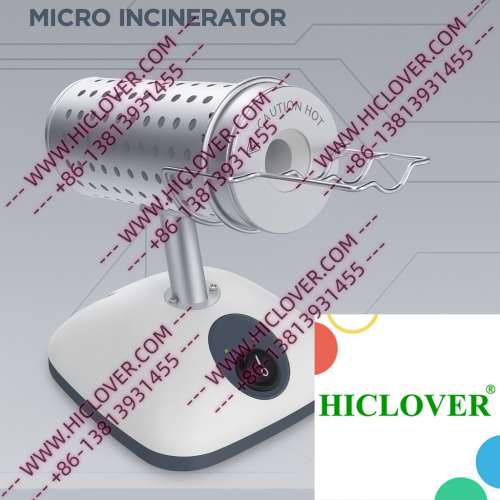
Many laboratories face numerous practical biosafety challenges, primarily associated with traditional flame sterilizers like Bunsen burners and alcohol lamps. Flame sterilization, while effective, poses risks such as open flames, which can lead to accidents or generate aerosols, compromising sterile environments. Moreover, flame sterilizers require constant monitoring, making them less efficient for rapid sterilization tasks.
In contrast, the Micro Incinerator operates on the principle of rapid thermal sterilization using infrared heat. This sterilization method is significantly more controlled and effective, allowing for precise containment of the heat within a ceramic heating chamber. As heat reaches upwards of 800°C, pathogens are swiftly and effectively eliminated without the risk of contamination through combustion byproducts—a common issue with traditional flame methods.
Technical Principles: Infrared Heat and Design Features
The Micro Incinerator incorporates an enclosed ceramic tube that channels infrared heat, ensuring that the inoculating loops or equipment being sterilized attain the necessary temperature in seconds. This design minimizes heat loss and focuses energy where it’s needed most, achieving high-temperature disinfection swiftly and efficiently.
- Efficient Heat Transfer: The enclosed design ensures heat is directed solely at the sterilization target.
- Safety Features: The device eliminates the hazards associated with open flames—essential for clean rooms and sensitive laboratory settings.
- Portability: Lightweight and easy to handle, making it suitable for field testing labs and educational settings.
Application Scenarios in Real Labs
1. Biosafety Cabinet Operations
In controlled environments, such as biosafety cabinets, laboratories can achieve stringent standards of contamination control with the Micro Incinerator. Using this sterilizer significantly reduces the risk of aerosols being generated during the sterilization process. For instance, microbiology labs can efficiently sterilize inoculating loops between samples while maintaining a sterile workspace, thus adhering to critical biosafety protocols.
2. University Teaching Labs
In an academic setting, the Micro Incinerator is particularly beneficial for teaching labs where students are frequently using inoculating loops for microbiology experiments. Unlike traditional flame sterilizers that require experience to operate safely, the Micro Incinerator allows students of all levels to conduct experiments with confidence. The user-friendly design minimizes concerns about fire hazards, promoting an enlightening educational environment.
Compliance and Environmental Standards
As laboratory protocols increasingly integrate biosafety compliance with international standards, the Micro Incinerator adheres to WHO guidelines for laboratory sterilization. This device is particularly valuable in settings where maintaining a sterile environment is critical, such as in clinical diagnostics and vaccine development. The switch from flame-based devices to infrared sterilizers aligns with modern lab safety regulations, eliminating open flames in clean rooms and ensuring a higher degree of safety for laboratory personnel.
Advantages Over Traditional Flame Sterilizers
When comparing the Micro Incinerator to traditional flame burners, the advantages become apparent:
| Feature | Micro Incinerator | Traditional Flame Burners |
|---|---|---|
| Heat Source | Infrared | Open flame |
| Time to Sterilize | Seconds | Variable |
| Risk of Contamination | Low | High |
| Safety in Clean Rooms | Optimal | Minimal |
Frequently Asked Questions
- What is the temperature range of the Micro Incinerator?
The Micro Incinerator achieves temperatures of up to 800°C, which is sufficient for rapid sterilization of inoculating loops and other lab equipment. - How does the Micro Incinerator ensure contamination control?
By utilizing infrared heat within an enclosed ceramic tube, it eliminates the risk of any airborne pathogens or aerosols, a common concern with traditional flame sterilizers. - Can the Micro Incinerator be used in field testing labs?
Yes, thanks to its lightweight design and rapid sterilization capability, it is extremely portable and ideal for mobile laboratory settings. - Is the Micro Incinerator safe for university labs?
Absolutely! It provides a safer alternative for student users compared to open-flame devices. - What compliance standards does the Micro Incinerator meet?
It adheres to WHO biosafety guidelines for laboratory sterilization, making it a recommended choice for compliant lab operations.
Conclusion: Transform Your Laboratory with the Micro Incinerator
The adoption of the Micro Incinerator in Dallas hospitals and laboratories represents a significant leap forward in laboratory safety and efficiency. By replacing traditional flame sterilizers with this advanced sterilization equipment, laboratories can ensure high standards of biosafety while optimizing their sterilization workflows. For lab suppliers and decision-makers in research institutions, hospitals, or NGO settings, considering this innovative system can enhance laboratory safety measures and operational efficiency. Contact us today to learn more about integrating the Micro Incinerator into your lab’s sterilization practices!
Categories:
Tags: