
In today’s rapidly advancing scientific landscape, laboratory biosafety challenges are prevalent in healthcare facilities across San Jose. As the demand for sterile environments intensifies, the sterilization workflow must evolve to meet the strict standards of cleanliness and safety required in clinical diagnostics, microbiology labs, and research centers. Traditional flame-based sterilization methods like alcohol lamps and Bunsen burners, while historically prevalent, are now being thoroughly reassessed due to concerns about contamination control, efficiency, and operational safety.
The Technical Principle of Infrared Loop Sterilizers
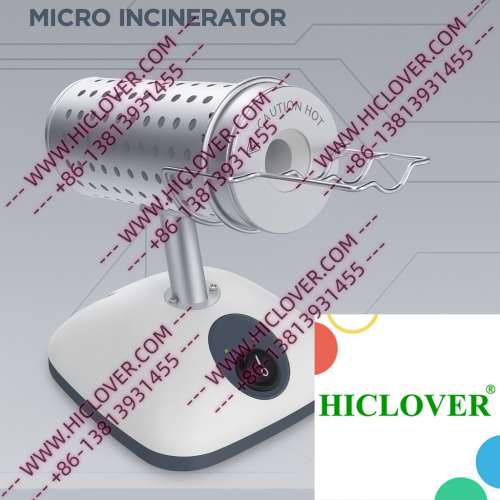
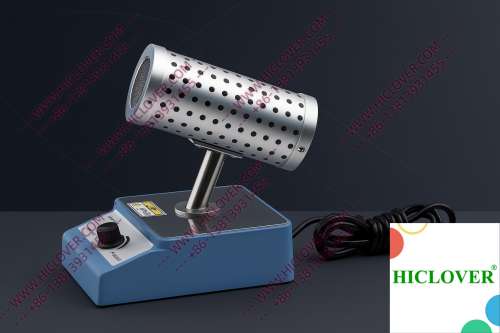
One of the most efficient solutions to these issues is the Micro Incinerator, particularly the Infrared Inoculating Loop Sterilizer. This state-of-the-art sterilization equipment employs rapid thermal sterilization, utilizing an enclosed ceramic heating chamber that reaches high temperatures almost instantaneously. Unlike flame sterilizers, which can produce aerosols that pose a contamination risk, this infrared model operates safely within clean bench environments, ensuring aerosol-free handling of sterilization processes.
When an inoculating loop is introduced into the ceramic tube, it contacts the infrared heat, which rapidly brings it to sterilizing temperatures. This immediate heating not only reduces the time involved in sterilization but also ensures that microbial contamination is eliminated efficiently and safely. The enclosed design of the Micro Incinerator minimizes exposure to open flames, making it a preferred choice in sensitive environments where safety is of utmost importance.
Applications of Micro Incinerators in Laboratories
The versatility of Micro Incinerators is unmatched in various laboratory settings. Below are two prime applications where these sterilizers are utilized:
- Biosafety Cabinets: In BSL-2 and BSL-3 labs, where pathogenic materials are handled, maintaining sterility is crucial. The use of Micro Incinerators within biosafety cabinets protects both the operator and the environment, ensuring that any equipment or tools used are devoid of harmful microorganisms.
- Teaching Labs: Universities with microbiology and biology programs benefit from integrating Micro Incinerators into their laboratory courses. These devices enhance the practical training of students while ensuring compliance with safety standards. The infrared technology eliminates the risks associated with traditional flame sources, providing a safer learning environment.
Compliance and Environmental Considerations
Ensuring adherence to regulatory guidelines is paramount in any healthcare or research facility. The World Health Organization (WHO) provides comprehensive standards regarding laboratory biosafety which emphasize the importance of using sterile techniques. The Micro Incinerator stands out in terms of compliance, particularly in settings where open flames are prohibited, such as within clean rooms or sterile suites.
Additionally, laboratory sterilization standards dictate that equipment must meet specific benchmarks for efficacy and safety. The Micro Incinerator not only fulfills these requirements but also actively contributes to a reduction in the environmental impact associated with other sterilization methods. By eliminating the need for flammable gases and liquids, it presents an eco-friendlier alternative.
Comparison of Micro Incinerator vs. Traditional Flame Sterilizers
| Feature | Micro Incinerator | Flame Sterilizers |
|---|---|---|
| Safety | Low risk of fire hazards; no open flame | High risk of accidents due to open flames |
| Speed of Sterilization | Rapid thermal sterilization | Variable; often slower due to flame adjustments |
| Contamination Control | Aerosol-free handling | Potential for aerosol contamination |
| Energy Efficiency | High energy efficiency with targeted heating | Less efficient with non-targeted heat dispersion |
Frequently Asked Questions
- How does the Micro Incinerator ensure effective sterilization?
The Micro Incinerator employs infrared heat to rapidly sterilize tools, eliminating microbial contamination effectively. - Are Micro Incinerators compliant with WHO safety standards?
Yes, the Micro Incinerator meets WHO biosafety standards and is suitable for use in various laboratory settings. - Can I use the Micro Incinerator in BSL-3 labs?
Absolutely! The Micro Incinerator is designed with safety features ideal for BSL-2 and BSL-3 labs. - How does it compare to traditional flame sterilizers?
It offers increased safety, faster sterilization times, and better contamination control than flame sterilizers. - Is it easy to operate for new lab personnel?
Yes, the Micro Incinerator is user-friendly, making it a great training tool for students in teaching labs.
Conclusion
As laboratory safety and cleanliness are non-negotiable in San Jose’s healthcare facilities, investing in advanced sterilization equipment like the Micro Incinerator / Infrared Inoculating Loop Sterilizer is a forward-thinking move. By transitioning to this cutting-edge technology, laboratories can enhance their operational workflows while adhering to stringent safety standards. For more information or to explore purchasing options, feel free to reach out to our team!
Categories:
Tags: