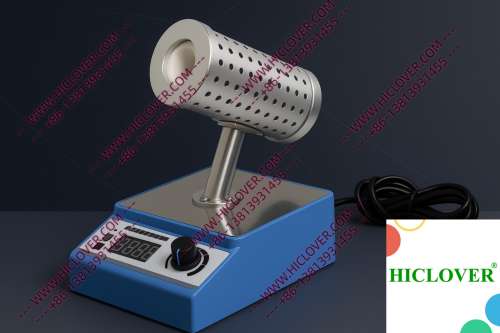
As the landscape of laboratory and clinical environments evolves, the challenges of managing laboratory biosafety and efficient sterilization practices loom large. Hospitals and research institutions in Zhengzhou face mounting pressures to enhance their sterilization workflow, particularly in a biosafety level 2 (BSL-2) or level 3 (BSL-3) microbiology lab environment. Contamination control and the eradication of hazardous pathogens are paramount, calling for advanced solutions such as the Micro Incinerator / Infrared Inoculating Loop Sterilizer. This article explores the technical aspects, applications, compliance considerations, and the transformative impact of portable micro incinerators in the medical sector.
Technical Principles of Micro Incinerators
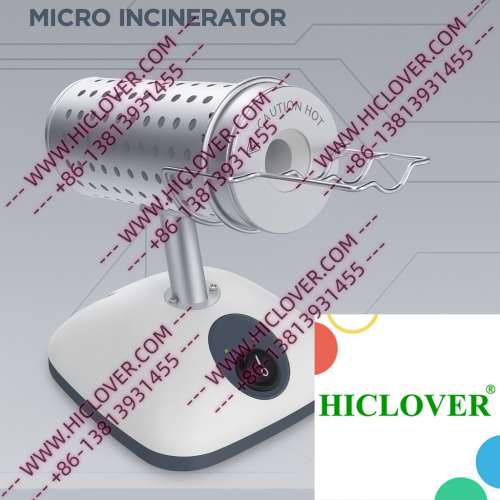
The Micro Incinerator operates on the principle of rapid thermal sterilization through infrared heat generation. By employing an enclosed ceramic heating chamber, this device provides high-temperature disinfection that is not only effective but also safe for clean environments. The infrared technology offers several advantages over traditional flame sterilizers, including:
- Controlled and consistent heating
- Reduced risk of aerosol generation
- No open flames, ensuring safety in clean rooms
- Quick operational time for immediate sterilization
Moreover, the device’s design allows for compact portability, making it ideal for both stationary and mobile laboratories. Its ease of use, combined with robust safety features, sets it apart as an essential tool in modern sterilization practices.
Application Scenarios in Zhengzhou Laboratories
In Zhengzhou’s clinical and educational laboratories, the implementation of portable micro incinerators like the Infrared Inoculating Loop Sterilizer can significantly enhance sterilization protocols. Below are two compelling application scenarios:
1. Clinical Diagnostics: Biosafety Cabinets
In a clinical diagnostics lab, particularly those conducting microbiological analyses, biosafety cabinets are critical for containing aerosols and pathogens. The integration of a Micro Incinerator within these cabinets allows for efficient sterilization of inoculating loops and implements without the need for flame exposure, which can generate harmful particulates. The quick sterilization cycle ensures that tools are immediately available for further testing, streamlining workflows and enhancing laboratory output.
2. University Teaching Laboratories: Educational Environments
In university teaching labs, where students learn vital microbiology and virology skills, the use of traditional alcohol lamps can be hazardous. A Micro Incinerator provides a safe and effective means to teach sterilization techniques without the risks associated with open flames. Students can observe the sterilization process in real time, gaining insights into best practices for safe laboratory handling. This hands-on experience is crucial in preparing future professionals for real-world challenges.
Compliance and Environmental Standards
Compliance with international biosafety standards is non-negotiable for all laboratories, including those in Zhengzhou. The World Health Organization (WHO) outlines strict guidelines for laboratory sterilization practices to ensure safety and minimized environmental impact. Micro incinerators adhere to these standards by eliminating the need for open flame, which is not permissible in cleanroom environments, hence promoting safer operations.
Additionally, institutions utilizing these devices can be confident in meeting laboratory sterilization standards that call for efficient pathogen eradication strategies. The Micro Incinerator is designed to meet and exceed health department regulations, thereby ensuring waste management practices are sustainable and compliant.
Benefits of Micro Incinerators Over Traditional Flame Sterilizers
When comparing Micro Incinerators with traditional flame sterilizers, such as alcohol lamps or Bunsen burners, the advantages become abundantly clear. Below is a comparison table:
| Feature | Micro Incinerator | Traditional Flame Sterilizer |
|---|---|---|
| Safety in Clean Rooms | Yes | No |
| Heat Distribution | Uniform | Variable |
| Operational Efficiency | Fast | Slow |
| Aerosol-Free Handling | Yes | No |
| Portability | High | Low |
Frequently Asked Questions
What is a Micro Incinerator and how does it work?
A Micro Incinerator is a portable sterilization device that utilizes infrared heat within an enclosed ceramic tube to effectively kill pathogens on inoculating tools, making it a more efficient and safer alternative to traditional flame sterilizers.
Can the Micro Incinerator be used in clinical environments?
Yes, it is designed to meet compliance standards for clinical diagnostics, ensuring effective sterilization while maintaining safety standards.
How does it improve laboratory workflow?
By providing rapid sterilization cycles, the Micro Incinerator reduces downtime for tool sterilization, thus enhancing overall laboratory efficiency and productivity.
Is it safe for use in a teaching laboratory?
Absolutely! Its operation is flame-free and minimizes aerosol generation, making it ideal for educational settings where safety is a priority.
What maintenance does a Micro Incinerator require?
Minimal maintenance is required, primarily ensuring the ceramic chamber remains clean and free from residues to maintain optimal performance.
Conclusion
As hospitals and research facilities in Zhengzhou strive to enhance their waste management and sterilization practices, the Micro Incinerator / Infrared Inoculating Loop Sterilizer emerges as a pivotal tool in achieving biosafety compliance. Its advanced thermal sterilization technology provides unmatched safety and efficiency, revolutionizing how laboratories manage biological waste. For distributors and institutions seeking to upgrade their sterilization capabilities, embracing this innovation can pave the way for a cleaner, safer future. Consider reaching out today to discover how a Micro Incinerator can transform your sterilization processes.
Categories:
Tags: