
In today’s laboratories, maintaining the highest standards of biosafety and contamination control is a critical challenge. Research environments are susceptible to microbial contamination, which can jeopardize experiments and endanger personnel’s health. As laboratory workflows become increasingly complex, the demand for effective sterilization choices becomes apparent. Among the tools available to safeguard laboratory integrity is the Micro Incinerator, or Infrared Inoculating Loop Sterilizer. Understanding the role of these sterilizers can help enhance laboratory practices and ensure compliance with established biosafety standards.
Technical Principles of Micro Incinerators
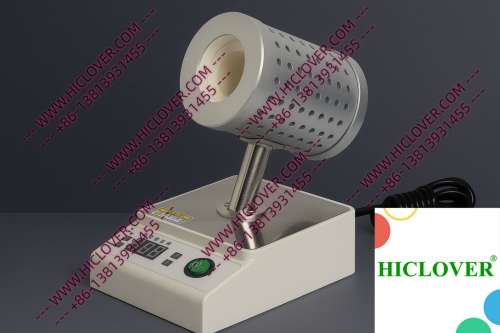
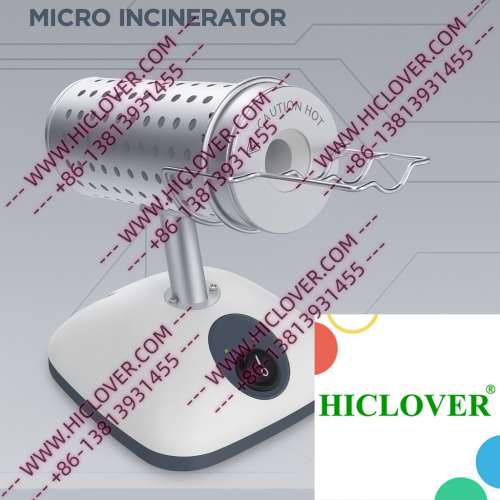
At the heart of the Micro Incinerator lies an advanced heating technology, operating through infrared radiation. This process is characterized by an enclosed ceramic heating chamber that reaches high temperatures rapidly, allowing for effective thermal sterilization. This method not only offers rapid thermal sterilization but also ensures aerosol-free handling of inoculating loops and needles. Unlike traditional flame-based methods such as alcohol lamps and Bunsen burners, the focused infrared heat minimizes the risk of contamination from open flames, making the Micro Incinerator a clean-bench-safe option for a range of laboratory environments.
Comparison of Sterilization Methods
| Feature | Micro Incinerator | Flame Sterilizers |
|---|---|---|
| Heating Mechanism | Infrared heat, enclosed chamber | Open flame, gas or alcohol-based |
| Speed of Sterilization | Immediate activation | Time to ignite and stabilize |
| Contamination Risk | Low, aerosol-free | Higher, due to surrounding air disturbance |
| Ease of Use | Simplified operation | Requires skill and attention |
| Safety Features | No open flame, safer | Risk of burns, flammability |
Application Scenarios in Real Labs
Field Testing and Mobile Labs
In field testing scenarios, where mobility and sterilization efficiency are paramount, Micro Incinerators prove invaluable. The lightweight and portable design allows scientists to operate in remote locations without compromising on sterilization standards. For example, during environmental monitoring, research teams often need to conduct microbial assays on-site. With an Infrared Inoculating Loop Sterilizer, they can ensure that all samples are processed in a sterile manner, promoting data integrity.
University Teaching Labs
In an educational setting, teaching labs require a balance of effective learning processes and strict safety protocols. By incorporating Micro Incinerators, instructors can demonstrate proper inoculation techniques with a focus on biosafety. The quick sterilization enables students to spend more time learning and experimenting without the prolonged wait associated with flame sterilizers. Furthermore, the elimination of flames aids in creating a safer environment in labs prone to hazards, such as chemical spills or flammable substances.
Compliance with Biosafety Standards
Globally recognized organizations, such as the World Health Organization (WHO), emphasize stringent biosafety protocols in laboratory environments. This is especially critical in BSL-2 and BSL-3 microbiology labs, which deal with infectious agents. Compliance with standards ensures laboratories maintain aseptic conditions and minimize accidental releases. The use of Micro Incinerators aligns with the “no flame” policy in clean rooms and is recommended for operations where controlled environments are essential. Such compliance is not merely regulatory but foundational for quality assurance — protecting both the researchers and the integrity of their results.
FAQ Section
- What is a Micro Incinerator? A Micro Incinerator, or Infrared Inoculating Loop Sterilizer, is a device that utilizes infrared heat for rapid thermal sterilization of inoculating tools, ensuring a contamination-free workflow.
- How does infrared sterilization work? It operates through enclosed heating elements that emit infrared radiation, quickly raising temperatures to achieve sterilization without an open flame.
- Can I use a Micro Incinerator in a clean room? Yes, it is preferred for clean rooms as it eliminates the risks associated with open flames.
- What are the safety benefits compared to traditional methods? Micro Incinerators provide a safer alternative due to their ability to sterilize without an open flame, significantly reducing the risk of burns and fire hazards.
- Are there training resources available for using a Micro Incinerator? Many suppliers provide operating manuals and guidelines, and training sessions can often be arranged for laboratory personnel.
Conclusion
As laboratories strive to uphold the highest standards of safety, efficiency, and compliance, the necessity for effective sterilization tools like Micro Incinerators becomes clear. Their advanced technology not only enhances the sterilization workflow but also protects laboratory personnel from potential hazards associated with traditional flame methods. We encourage labs, educational institutions, and research centers to consider upgrading their sterilization equipment to include Infrared Inoculating Loop Sterilizers. For inquiries, expert consultations, or purchasing options, reach out to us today!