
Operating in a laboratory setting comes with a unique set of biosafety challenges, especially when it comes to maintaining sterilization protocols. The demand for contamination control is paramount, as any lapse can lead to compromised research outcomes, erroneous data, or even severe health risks. Among the various sterilization methods available, the use of Micro Incinerators and Infrared Inoculating Loop Sterilizers has emerged as a reliable and efficient means of achieving rapid thermal sterilization, ensuring safety while enhancing workflow dynamics.
Understanding the Principles of Micro Incineration
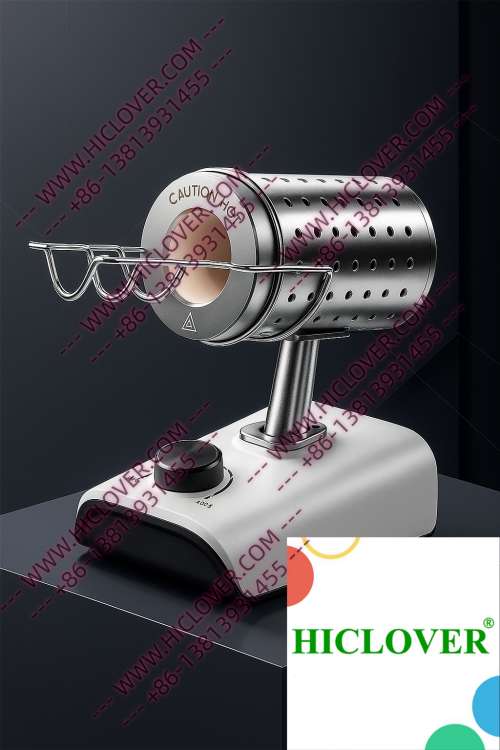
Micro Incinerators employ the principle of infrared heating, utilizing an enclosed ceramic tube to create high temperatures that effectively destroy microorganisms. This method is characterized by:
- Rapid Heating: Infrared radiation provides quick thermal disinfection, reducing downtime between sterilization cycles.
- Controlled Environment: The design minimizes the risk of aerosol generation, creating a clean-bench-safe environment.
- Efficiency: Micro Incinerators can reach sterilization temperatures within seconds, making them optimal for busy laboratory workflows.
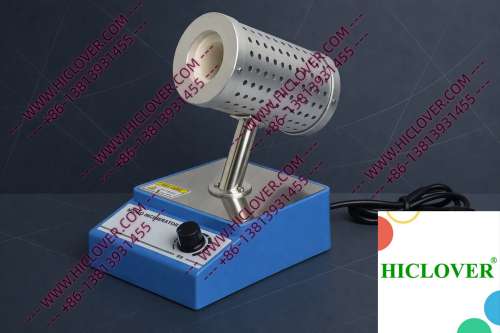
In contrast to traditional flame sterility methods, such as using alcohol lamps or Bunsen burners, Micro Incinerators offer superior convenience and safety by eliminating the open flame and associated hazards. This is particularly advantageous in sensitive environments such as BSL-2 and BSL-3 microbiology labs or in cleanroom settings.
Application Scenarios in Real Labs
The versatility of Micro Incinerators is showcased in various laboratory settings. Here are two prominent scenarios:
1. Biosafety Cabinets
In a biosafety cabinet, where maintaining sterility is crucial, the compact design of the Micro Incinerator is perfect for quick sterilization of inoculation loops and other tools. Researchers can sterilize instruments using infrared heat without disturbing the airflow dynamics of the cabinet, thus safeguarding the sterile work environment. This is particularly valuable in labs conducting clinical diagnostics or microbiological assays where contamination is not an option.
2. Teaching Labs
In educational settings, where practical microbiology techniques are taught, implementing Micro Incinerators enhances safety. Students can learn the necessary sterilization techniques without the risks associated with open flames, making it easier to instill best practice principles. The infrared sterilizer provides an opportunity for hands-on experience in a safe manner, aligning with educational standards for laboratory safety.
Biosafety Compliance and Environmental Considerations
Biosafety regulations established by organizations such as the WHO emphasize the need for effective sterilization techniques to prevent cross-contamination. Laboratories must adhere to strict sterilization standards, especially in sensitive operations. The use of flame-free sterilizers like Micro Incinerators helps mitigate risks associated with fire hazards in cleanroom environments where open flames are prohibited. Furthermore, the reduced generation of aerosols during sterilization aligns with environmental safety protocols, minimizing chemical exposure to staff and clients.
| Feature | Micro Incinerator | Flame Burner |
|---|---|---|
| Temperature Control | Precise infrared control | Variable, less consistent |
| Safety | No open flame | Open flame hazards |
| Usage Efficiency | Rapid turnaround | Longer startup time |
| Aerosol Generation | Minimal | Higher potential |
| Portability | Compact design | Less portable |
Frequently Asked Questions (FAQs)
- What types of sterilization tasks are ideal for Micro Incinerators?
Micro Incinerators are perfect for sterilizing inoculation loops, needles, and small metal tools, particularly in micro-labs and teaching facilities. - Are Micro Incinerators compliant with WHO biosafety guidelines?
Yes, they adhere to safety standards that aim to reduce contamination risks in laboratory settings. - How do Micro Incinerators function without generating flames?
They utilize infrared heating concentrated in a ceramic tube, allowing for effective sterilization without an open flame. - What are the advantages of using a Micro Incinerator over traditional flame methods?
They offer enhanced safety, faster sterilization, and reduced aerosols, making them suitable for sensitive laboratory applications. - Can I use Micro Incinerators in field testing labs?
Absolutely! Their compact size and absence of open flame make them suitable for mobile laboratories.
Conclusion: Elevate Your Laboratory’s Safety Standards
Utilizing Micro Incinerators and Infrared Inoculating Loop Sterilizers brings transformative benefits to laboratory safety and workflow efficiency. Whether you’re managing a university teaching lab, working in clinical diagnostics, or conducting research in a mobile setting, implementing these sterilization tools can help ensure compliance with biosafety standards while fostering a conducive environment for scientific advancement. If you’re interested in enhancing your sterilization protocols, consider contacting us for more information on our range of Micro Incinerators—your trusted partner in laboratory supplies.
Categories:
Tags: