
Laboratory environments are increasingly facing practical biosafety challenges that require innovative solutions. Ensuring proper sterilization is not just a matter of efficiency; it is vital for maintaining safety standards and preventing contamination. Traditional flame sterilizers such as alcohol lamps and Bunsen burners have been staples in laboratory settings for decades, but they come with inherent risks. As laboratory workflows evolve, particularly in cutting-edge research facilities in Naples and beyond, the need for compact, efficient, and safe sterilization solutions has never been greater. Enter the Micro Incinerator, particularly the Infrared Inoculating Loop Sterilizer—an advanced instrument that is redefining sterilization protocols.
The Technical Principle Behind Micro Incinerators
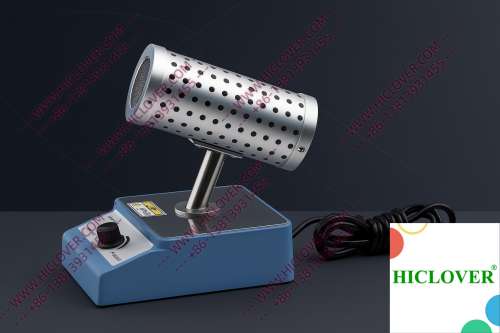
The Micro Incinerator operates on the principle of rapid thermal sterilization using infrared technology. Unlike conventional flame-based sterilizers that consume significant amounts of oxygen and produce aerosols, micro incinerators utilize an enclosed ceramic tube that reaches high temperatures almost immediately. This design not only reduces the risk of contamination but also improves energy efficiency.
The ceramic heating chamber allows for targeted heating, effectively sterilizing inoculating loops, needles, and other small lab equipment in seconds. This results in improved workflow efficiency, particularly in high-throughput laboratory environments where time is of the essence.
Advantages of Micro Incinerators Over Traditional Flame Sterilizers
- Safety: No open flames reduce the risk of fire and minimize the potential for inhaling harmful aerosols.
- Efficiency: Rapid thermal sterilization means less waiting time for researchers and technicians.
- Space-saving: Compact design allows easy integration into various laboratory settings.
- Environmentally Friendly: Consumes less energy and avoids the emissions associated with gas burners.
Application Scenarios in Modern Labs
The effectiveness of the Micro Incinerator shines brightly across various applications in modern laboratory settings. Here are two specific scenarios where these devices excel:
1. Biosafety Cabinets in BSL-2 and BSL-3 Labs
In high-stakes biological research, laboratories classified as Biosafety Level 2 (BSL-2) and Biosafety Level 3 (BSL-3) demand rigorous sterilization practices. Micro Incinerators can be seamlessly integrated within biosafety cabinets, allowing researchers to sterilize tools with minimal risk for cross-contamination. High-temperature disinfection without an open flame contributes to safer working conditions, while maintaining optimal biosafety protocols.
2. Teaching Labs within Naples Universities
Educational institutions in Naples are reaping the rewards of introducing Micro Incinerators into their teaching labs. With a focus on sterile techniques, students can learn about and conduct experiments requiring inoculation without the hazards associated with flame sterilizers. This not only enhances their practical skills but also gives them crucial experience with cutting-edge sterilization technology. Moreover, clean-bench-safe operation aligns with current learning objectives in microbiology and clinical diagnostics.
Compliance and Environment Considerations
Adhering to biosafety standards set by organizations like the World Health Organization (WHO) is crucial in any laboratory setting. Traditional flame sterilization often runs afoul of these guidelines in clean rooms, where no open flames are permitted. The utilization of Micro Incinerators helps labs maintain compliance with national and international sterilization standards, ensuring both safety and efficacy.
Moreover, the absence of flames in cleanroom environments supports strict contamination control measures. Laboratories focused on clinical diagnostics, mobile or field testing, and other research applications benefit significantly from employing technologies that align with stringent biosafety mandates.
Comparative Analysis: Micro Incinerators vs. Flame Sterilizers
| Feature | Micro Incinerator | Flame Sterilizers |
|---|---|---|
| Safety | No open flame, aerosol-free handling | Open flame, risk of fire |
| Energy Efficiency | Low energy consumption | Higher energy requirements |
| Speed | Instant heat-up and cool-down | Requires time to ignite and stabilize |
| Space Requirements | Compact, easy to position | Requires more space for safe operation |
FAQs
What is a Micro Incinerator used for?
A Micro Incinerator is primarily used for the sterilization of laboratory equipment, particularly inoculating loops and needles, through rapid thermal sterilization.
How does a Micro Incinerator work?
The device employs infrared technology and a closed ceramic chamber to achieve high temperatures quickly, effectively sterilizing instruments without the hazards of an open flame.
Are Micro Incinerators safe for biosafety cabinets?
Yes, Micro Incinerators are designed to operate safely within biosafety cabinets, providing optimal sterilization while minimizing contamination risks.
Can Micro Incinerators be used in field testing?
Absolutely! Their compact size and efficiency make them ideal for use in mobile or field testing labs, where safety and rapid sterilization are essential.
What are the environmental benefits of using Micro Incinerators?
Micro Incinerators operate with lower energy consumption and produce no harmful emissions compared to traditional flame sterilizers, making them a more environmentally friendly choice.
Conclusion
The rise of Micro Incinerators, particularly in facilities across Naples, emphasizes the evolution of sterilization practices in laboratories. These compact devices not only improve workflow efficiency and safety but also align with stringent biosafety compliance requirements. Whether you’re in a teaching lab or a high-security biosafety environment, incorporating a Micro Incinerator into your sterilization workflow can enhance both safety and efficacy.
If you’re looking to upgrade your laboratory’s sterilization equipment, consider investing in a Micro Incinerator. Your researchers will thank you for it!
Categories:
Tags: