
In today’s fast-paced laboratory environments, particularly within Canadian research institutions, the challenges of biosafety and effective sterilization practices are increasingly complex. These biosafety concerns are paramount, especially in laboratories handling infectious agents or conducting clinical diagnostics. Traditional methods of sterilization, such as alcohol lamps or Bunsen burners, often fall short in terms of safety, efficiency, and contamination control. Enter the micro incinerator—an innovative solution that not only addresses these challenges but also enhances sterilization workflows.
Technical Principles of Micro Incinerators
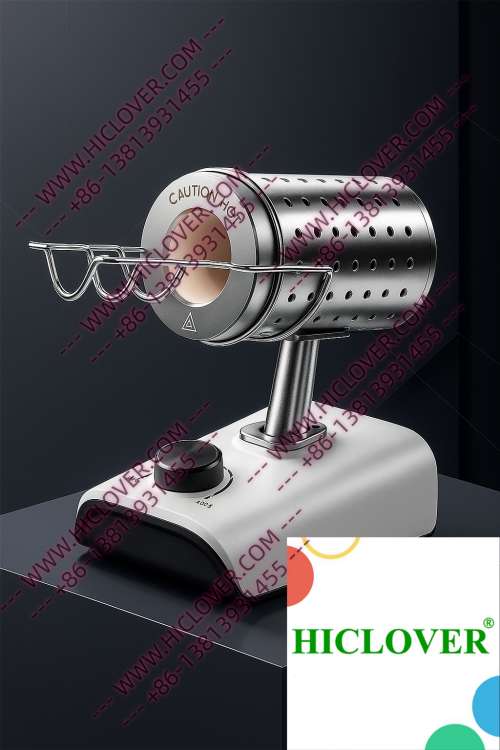
In contrast to conventional flame sterilizers, micro incinerators employ infrared technology for rapid thermal sterilization. The core component of this device is its enclosed ceramic heating chamber, which achieves high temperatures quickly, providing an effective means for sterilizing inoculating loops, needles, and other laboratory instruments. Unlike flames, which can be hazardous in clean-room conditions and may lead to aerosol generation, micro incinerators operate without open flames, making them safer and more suited to sensitive laboratory environments.
One significant feature of micro incinerators is the precision of infrared heating. This tech allows for a highly localized heat source, ensuring that tools can be sterilized thoroughly without the risk of thermal damage that can occur with flame methods. Additionally, the easy-to-clean design and compact size of micro incinerators make them an ideal choice for various laboratory settings—from BSL-2 labs handling pathogens to teaching labs in universities.
Applications in Laboratory Environments
1. Biosafety Cabinets
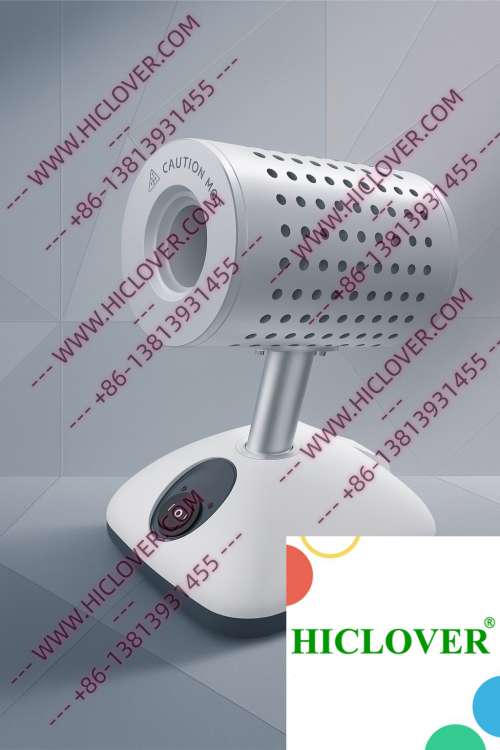
Within a biosafety cabinet, microbiologists handle pathogens with utmost care and the best practices for decontamination are vital. Using a micro incinerator in conjunction with a biosafety cabinet significantly improves the overall safety protocols by quickly sterilizing tools between uses—eliminating any risk of cross-contamination. The enclosed heating system allows for efficient sterilization without compromising air quality, meeting strict laboratory standards.
2. Field Testing
Field testing scenarios are often unpredictable, necessitating reliable sterilization methods that can be deployed in remote locations. Micro incinerators provide a portable option, relieving scientists from the challenges that traditional flame sterilizers pose. This mobility doesn’t reduce safety; instead, it enhances it through aerosol-free handling in various challenging environments, such as environmental testing or mobile laboratories.
Compliance and Environmental Considerations
The WHO biosafety guidelines emphasize the importance of effective sterilization in the control of infectious agents. In addition to compliance with laboratory sterilization standards, micro incinerators align with growing demands to minimize environmental impact by eliminating the use of combustible gases and reducing carbon footprint. The non-flame design of micro incinerators makes them particularly suitable for operations within clean rooms, allowing users to maintain sterility without compromising laboratory integrity.
In Canadian laboratories, adherence to institutional standards, including those set forth by the Canadian Biosafety Standards (CBS) and the Canadian Environmental Protection Act (CEPA), is critical. The adoption of micro incinerators helps ensure strict compliance with these regulations, establishing safer practices in handling biological materials.
Comparison Table: Micro Incinerators vs. Flame Burners
| Feature | Micro Incinerator | Flame Burners |
|---|---|---|
| Safety | High: No flames, less risk of contamination | Moderate: Open flames can be hazardous |
| Portability | High: Compact and lightweight | Moderate: Generally bulkier |
| Environmental Impact | Low: No combustion emissions | Moderate: Uses combustible gases |
| Efficiency | High: Rapid thermal sterilization | Variable: Slower heat-up times |
| Aerosol Generation | No | Yes: Can produce aerosols |
Frequently Asked Questions
- What is the average lifespan of a micro incinerator?
The average lifespan greatly depends on usage frequency and maintenance but can last several years with proper care.
- Can micro incinerators be used in clean rooms?
Yes, they are ideally suited for clean rooms due to their flame-free operation and efficiency in maintaining sterility.
- How quickly can a micro incinerator achieve sterilization?
Micro incinerators typically reach sterilization temperature within seconds, making them highly efficient in busy labs.
- What maintenance is required for a micro incinerator?
Regular cleaning of the heating chamber and external surfaces is recommended to maintain optimal performance and hygiene.
- Are micro incinerators compliant with national sterilization standards?
Yes, they meet various local and international biosafety and sterilization standards, making them a compliant choice for laboratories.
Conclusion
As Canadian laboratories continue to tackle the evolving challenges of biosafety and effective sterilization, micro incinerators stand out as a critical tool. Their numerous advantages over traditional flame sterilizers—including enhanced safety, efficiency, and environmental compliance—make them a smart choice for any laboratory setting. If you’re considering upgrading your laboratory sterilization equipment, reach out to us today for expert guidance or to explore purchasing a micro incinerator tailored to your needs.
Categories:
Tags: