
Laboratory biosafety is a critical consideration in today’s research environments, especially when conducting culture transfers. The extensive handling of microbial cultures presents tangible risks of contamination and exposure. Traditional methods, such as flame sterilization using alcohol lamps or Bunsen burners, may not always meet the stringent demands of modern laboratories. Innovations in sterilization techniques, particularly with the use of devices like the Micro Incinerator or Infrared Inoculating Loop Sterilizer, are addressing these challenges effectively.
Understanding the Technical Principles of Micro Incinerators
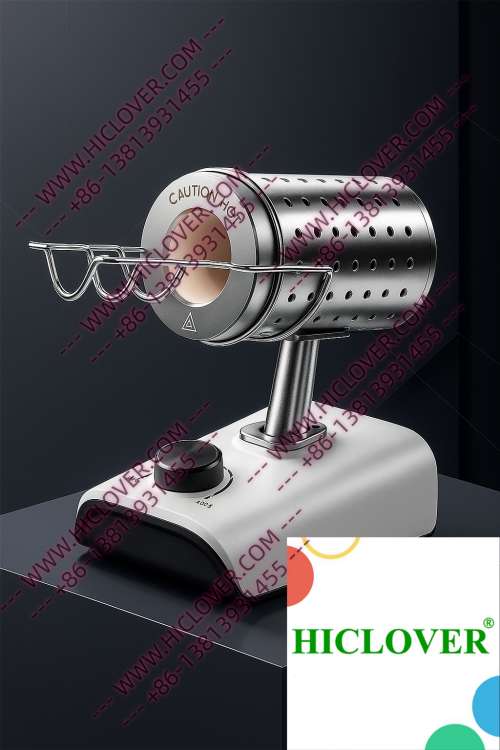
The Micro Incinerator operates on the principle of rapid thermal sterilization. Utilizing an enclosed ceramic heating chamber, it generates infrared heat, ensuring an even and consistent temperature throughout the sterilization process. Unlike traditional flame methods, which can introduce aerosols and are susceptible to fluctuations in temperature, the Micro Incinerator delivers high-temperature disinfection without flame, drastically reducing the risk of contamination in sterile environments.
This device is designed to sterilize inoculating loops and needles quickly and efficiently, making it an essential tool in various settings, from BSL-2 and BSL-3 microbiology labs to educational facilities.
Applications in Real Laboratory Settings
Biosafety Cabinets
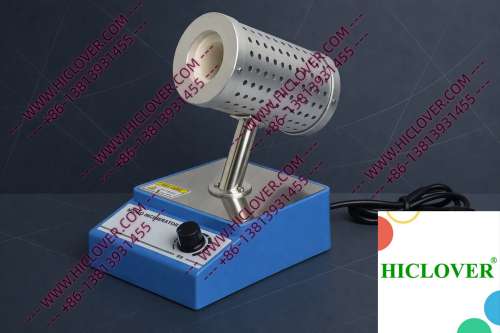
In a typical laboratory setup within a biosafety cabinet, researchers prioritize contamination control. The Micro Incinerator’s aerosol-free handling ensures that as culture transfers occur, the risk of inadvertently contaminating adjacent samples or the lab environment is minimized. By using the Micro Incinerator, lab personnel enhance their workflow while complying with stringent biosafety standards.
Teaching Laboratories
University teaching labs benefit significantly from using advanced sterilization equipment. The Micro Incinerator provides students with a safe and effective method for practicing aseptic techniques. As young scientists learn the protocol for handling cultures, the device underlines the importance of contamination control without the fear of working with open flames. Students gain hands-on experience with a modern sterilization tool, preparing them for future research roles.
Compliance with Safety Standards
Among the numerous guidelines governing laboratory safety, it’s essential that processes involving culture transfers comply with standards set forth by the World Health Organization (WHO) and local regulatory bodies. For instance, the implementation of the Micro Incinerator aligns with these safety standards, ensuring no flame in clean rooms. This compliance not only protects the integrity of research results but also safeguards personnel from potential exposure to biohazards.
Here’s a comparison of how the Micro Incinerator aligns with common biosafety compliance requirements versus traditional flame sterilizers:
- Flame-Free Operation: Reduces fire hazards in sensitive environments.
- Reduced Aerosol Production: Minimizes risk of cross-contamination.
- Consistent Temperature Control: Delivers reliable sterilization without the variation often seen in flame methods.
Why Choose Micro Incinerators Over Traditional Flame Sterilizers?
Comparison Table:
| Feature | Micro Incinerator | Flame Burners |
|---|---|---|
| Temperature Control | Consistent infrared heat | Variable heat |
| Contamination Risk | Low | High due to aerosols |
| Ease of Use | User-friendly, minimal setup | Requires skill to manage flames |
| Environment Suitability | Clean rooms, field labs | Restricted to certain settings |
FAQs about Micro Incinerators and Sterilization Techniques
- What is the primary advantage of using a Micro Incinerator in a lab setting?
The primary advantage is its ability to provide consistent, flame-free sterilization, which significantly reduces contamination risks. - Can Micro Incinerators be used in BSL-2 and BSL-3 labs?
Yes, Micro Incinerators are designed to meet the stringent requirements and safety standards of BSL-2 and BSL-3 laboratories. - How does the Micro Incinerator ensure compliance with biosafety standards?
By eliminating flames and aerosols, the Micro Incinerator aligns with WHO guidelines and enhances laboratory safety protocols. - Is the Micro Incinerator easy to operate for beginners in teaching labs?
Absolutely, its user-friendly design allows students to quickly grasp the fundamentals of proper sterilization techniques. - What types of cultures can be effectively sterilized using a Micro Incinerator?
The device is highly effective for sterilizing inoculating loops and needles used for bacterial and fungal cultures.
Conclusion
The Micro Incinerator or Infrared Inoculating Loop Sterilizer represents a significant advance in sterilization techniques, catering to both safety and efficiency in laboratory workflows. As contamination control becomes increasingly vital in various settings, the adoption of innovative sterilization solutions is crucial. Whether you are a laboratory supplier, a hospital, or an educational institution, integrating Micro Incinerators into your sterilization processes not only enhances compliance with biosafety standards but also safeguards your research integrity. Explore our range of Micro Incinerators today and elevate your laboratory practices.
Categories:
Tags: