
In today’s world of advanced healthcare, the significance of laboratory sterilization cannot be overstated. Hospital microbiology labs face ongoing biosafety challenges, especially in environments demanding stringent contamination control. Ensuring a sterile environment is fundamental, not just for accurate test results but also for patient safety. With increasing awareness about the implications of contamination—ranging from inaccurate diagnoses to infections—the role of sterilization equipment like the Micro Incinerator and Infrared Inoculating Loop Sterilizer becomes critical.
Challenges in Laboratory Biosafety
Laboratories that manage microbial cultures, especially BSL-2 and BSL-3 facilities, must adhere to strict biosafety protocols. Traditional sterilization methods, such as alcohol lamps or Bunsen burners, pose various risks, including:
- Open flames leading to potential fires.
- Aerosol generation that can contaminate the surrounding area.
- Inconsistent heating, leading to incomplete sterilization.
In response to these challenges, the Micro Incinerator has emerged as a safe, efficient alternative that meets the growing demands of laboratory sterilization.
Technical Principles of the Micro Incinerator
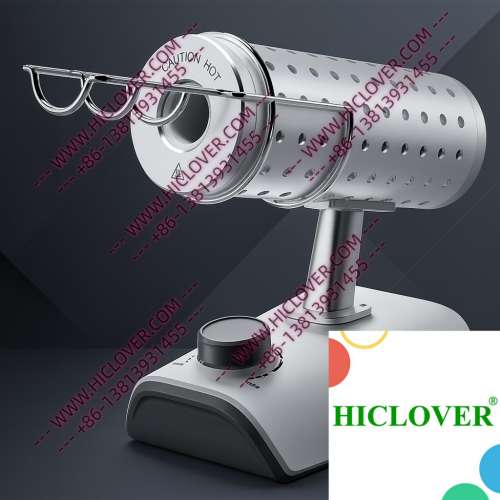
The Micro Incinerator operates on the principle of rapid thermal sterilization using infrared heat. Featuring an enclosed ceramic heating chamber, the device delivers high-temperature disinfection without creating aerosols. The infrared technology precisely targets the inoculating loop’s contaminated surfaces, ensuring effective sterilization within seconds.
Typically, a Micro Incinerator is equipped with:
- An adjustable heat setting for different sterilization needs.
- A compact design for easy integration into biosafety cabinets.
- Energy-efficient operation that reduces electricity consumption.
This technical design not only minimizes safety hazards but also maximizes workflow efficiency in high-demand environments.
Application Scenarios in Real Labs
1. Using Micro Incinerators in Clinical Diagnostics
In clinical diagnostics laboratories, the need for rapid and reliable sterilization is paramount. Micro Incinerators are often employed in biosafety cabinets for inoculating loops and needles while transferring cultured microorganisms. This application not only prevents contamination of samples but also protects laboratory personnel from exposure to pathogens.
2. Teaching Labs and Field Testing
University teaching labs benefit significantly from the use of Micro Incinerators. Students can practice aseptic techniques with reduced risks associated with flame-based sterilization. Moreover, in mobile or field testing labs, where traditional methods may not be feasible, infrared inoculating loop sterilizers offer an aerosol-free handling solution that can adapt to various environments, including CO₂ incubators and anaerobic chambers.
Compliance with Biosafety Standards
Compliance with global biosafety standards, such as those outlined by the World Health Organization (WHO), is crucial for all laboratories. Micro Incinerators meet numerous sterilization standards, ensuring that operations comply with:
- WHO biosafety guidelines.
- Local health regulations for microbiological testing.
- Quality control measures that eliminate the need for flame in clean rooms.
By utilizing a Micro Incinerator, labs can significantly reduce the risks associated with combustion methods, aligning with best practices in contamination prevention.
Comparing Sterilization Methods
| Feature | Micro Incinerator | Traditional Flame Sterilizers |
|---|---|---|
| Safety | Enclosed infrared heating, no open flame | Open flames pose fire hazards |
| Efficacy | Immediate, consistent sterilization | Inconsistent heating, longer wait times |
| Environment | Aerosol-free handling in clean environments | Aerosol contamination risk |
| Ease of Use | Portable and user-friendly | Requires careful monitoring of flame |
| Cost | Higher initial cost, savings in operational expenses | Lower initial cost, potential risks increase costs |
FAQs About Micro Incinerators
1. What are the main advantages of using a Micro Incinerator over traditional sterilizers?
The primary advantages include safety, effectiveness, and ease of use. Micro Incinerators provide a cleaner, aerosol-free option that ensures rapid thermal sterilization without open flames.
2. Can Micro Incinerators be used in field labs?
Absolutely! They are designed for mobile applications, making them perfect for field labs where traditional flame methods are impractical.
3. How does the Micro Incinerator improve lab workflow?
By ensuring quick and efficient sterilization, it minimizes downtime and allows for smoother transitions between testing phases, thus improving overall lab productivity.
4. Are there any specific biosafety guidelines I should be aware of when using sterilizers?
Yes, it’s essential to follow WHO biosafety guidelines and local regulations to ensure safe and compliant sterilization practices.
5. What types of labs benefit most from using Micro Incinerators?
Labs specializing in clinical diagnostics, university teaching laboratories, and BSL-2 and BSL-3 microbiology labs benefit greatly from their use.
Conclusion
In summary, the Micro Incinerator / Infrared Inoculating Loop Sterilizer represents a leap forward in laboratory sterilization technology. This innovative device not only addresses the critical challenges of contamination control but also aligns with stringent biosafety compliance requirements. Whether you are enhancing your laboratory capabilities or looking to improve safety and efficiency, investing in a Micro Incinerator is a smart decision. For more information or to discuss purchasing options, please contact us today.
Categories:
Tags: