
Laboratories face continuous challenges in biosafety and contamination control, especially when it comes to handling pathogenic microorganisms. A critical component in ensuring a sterile environment is utilizing effective sterilization equipment. This essential guide explores the advantages of Micro Incinerators, specifically Infrared Inoculating Loop Sterilizers, and how they enhance laboratory workflows while adhering to stringent biosafety compliance.
Understanding the Technical Principles of Micro Incinerators
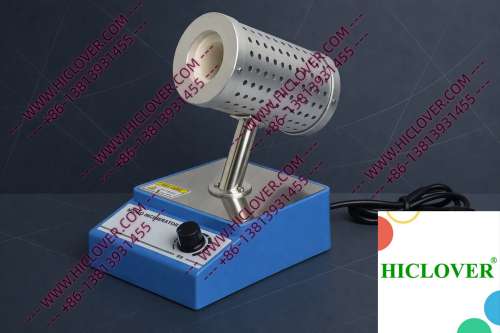
Micro incinerators employ infrared heat technology for rapid thermal sterilization. Unlike traditional flame sterilizers such as alcohol lamps and Bunsen burners, these devices utilize a ceramic heating chamber, which achieves high temperatures for efficient disinfection. The enclosed design minimizes aerosol formation while allowing quick sterilization of inoculating loops and needles, making it ideal for sensitive laboratory environments.
Applications of Infrared Inoculating Loop Sterilizers
1. University Teaching Labs
In university settings, especially within microbiology courses, students need a reliable and safe means to inoculate cultures. Micro incinerators are perfect for teaching labs, as students can quickly sterilize tools without the risks associated with open flames. The ease of use enhances learning while maintaining safety.
2. BSL-2 and BSL-3 Microbiology Labs
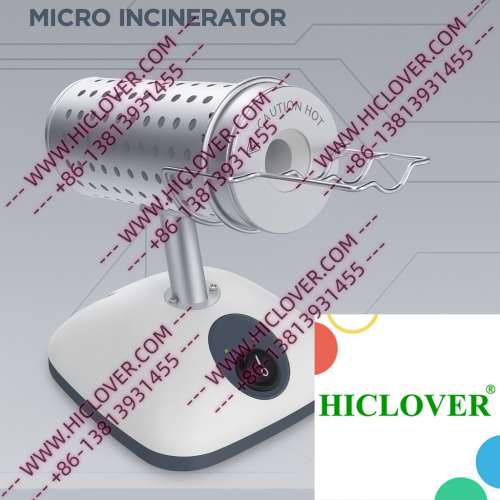
In high-containment laboratories such as BSL-2 and BSL-3 facilities, where handling of dangerous pathogens is routine, there’s a critical need for equipment that meets rigorous biosafety standards. The infrared sterilizer provides a no-flame solution, preventing potential ignition sources that could compromise containment. Furthermore, its compact design permits seamless integration within biosafety cabinets, ensuring full compliance with containment protocols.
Biosafety Compliance and Standards
Understanding and adhering to international biosafety standards, such as those set by the World Health Organization (WHO) and various national laboratory safety regulations, is essential for laboratories engaged in high-risk microbiological work. The use of flame sterilizers is often prohibited in clean rooms and biosafety cabinets due to the increased risk of contamination and fire hazards. Infrared sterilizers not only meet these guidelines but also significantly enhance contamination control by reducing the aerosol risk during sterilization processes.
Key Compliance Areas
- WHO Biosafety Guidelines
- OSHA Laboratory Standard Compliance
- ISO Standards for Laboratory Equipment
- Federal and Local Guidelines for BSL-2 and BSL-3 Operations
Micro Incinerator vs. Traditional Flame Sterilizers
This comparison highlights the crucial differences between Micro Incinerators and traditional flame sterilizers:
| Feature | Micro Incinerator | Flame Sterilizers |
|---|---|---|
| Heat Source | Infrared Heat | Open Flame |
| Contamination Control | Low Aerosol Risk | High Aerosol Risk |
| Safety | Clean-Bench-Safe | Potential Ignition Hazard |
| Use Frequency | Rapid and Reusable | Dependent on Flammable Fuel |
FAQs About Micro Incinerator Equipment
1. What is the lifespan of a Micro Incinerator?
The lifespan of a Micro Incinerator largely depends on usage frequency and maintenance, but generally, they can last several years with proper care.
2. How does infrared sterilization compare to traditional methods?
Infrared sterilization is faster, safer, and promotes better contamination control, as it minimizes aerosol production compared to traditional flame-based sterilization methods.
3. Can Micro Incinerators be used in field testing labs?
Yes, their portable design makes Micro Incinerators a highly suitable option for mobile and field testing laboratories where traditional flame sterilizers would be impractical.
4. What safety features should one look for in a Micro Incinerator?
Look for features such as automatic shut-off, heat indicator lights, and a ceramic heating element to ensure safe and effective sterilization.
5. Are there any special maintenance requirements?
Routine cleaning to remove residue and inspection of the heating element is important to ensure optimal performance over time.
Conclusion
Effective laboratory sterilization practices are vital for maintaining biosafety and contamination control, particularly in sensitive environments like teaching labs, clinical diagnostics, and BSL facilities. Micro Incinerators / Infrared Inoculating Loop Sterilizers represent a significant advancement, offering rapid, clean, and safe sterilization alternatives to traditional flame-based methods. For laboratories committed to enhancing their sterilization workflow, integrating this innovative equipment is essential.
Contact us today for more information on high-quality Micro Incinerators or to enhance your laboratory’s sterilization capabilities!
Categories:
Tags: