
In an era where laboratory efficiency and safety are paramount, researchers face numerous challenges in sterilization workflows and biosafety controls. Traditional methods of waste disposal, particularly flame-based sterilizers, leave much to be desired. High risk of contamination, aerosol release, and inefficient heat application are just a few of the pressing issues that have propelled Micro Incinerators into the spotlight. This article explores how the Micro Incinerator/Infrared Inoculating Loop Sterilizer is redefining waste management in various laboratory settings.
Challenges in Laboratory Biosafety and Sterilization Workflows
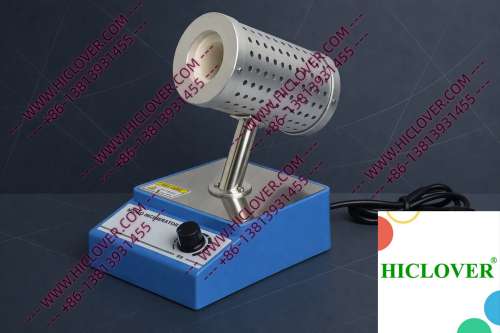
Laboratory environments must adhere to strict biosafety protocols to ensure the welfare of personnel and the integrity of research outcomes. Contamination control is a critical concern, especially in BSL-2 and BSL-3 laboratories where infectious agents are handled. The presence of open flames, such as those from Bunsen burners or alcohol lamps, poses significant risks. Not only do they create potential hazards for users but they can also compromise cleanroom environments by generating aerosols and particles.
With these challenges in mind, the demand for efficient, safe, and clean sterilization methods has grown, leading laboratories worldwide to seek innovative solutions. Among these, the advent of Micro Incinerators represents a revolutionary leap forward in sterilization technology.
The Technical Principles Behind Micro Incinerators
The Micro Incinerator operates on the principle of infrared high-temperature disinfection, utilizing a specially designed enclosed ceramic tube that efficiently generates heat without an open flame. This design allows for rapid thermal sterilization while maintaining a clean and controlled environment.
- Infrared Heating: Accelerates the sterilization process by quickly reaching temperatures necessary to eliminate microorganisms.
- Ceramic Heating Chamber: Ensures consistent and even heat distribution, which is essential for thorough sterilization of inoculating loops and other tools.
- Aerosol-Free Handling: Minimizes the risks associated with traditional flame sterilization methods, making it safe for use in clean benches and sensitive environments.
Application Scenarios in Real Labs
The versatility of Micro Incinerators allows them to fit seamlessly into various laboratory environments. Below are two distinct application scenarios illustrating their effectiveness:
1. Biosafety Cabinet Operations
In a BSL-2 laboratory, where pathogens are frequently handled, Micro Incinerators can be placed within biosafety cabinets (BSCs). This setup allows for sterilization of inoculating loops in a controlled environment, significantly reducing contamination risks while maintaining compliance with safety guidelines. The compact design ensures that the sterilizer operates without interfering with airflow or other equipment within the cabinet.
2. Teaching Laboratories
In university teaching labs, where students are introduced to microbiological techniques, the use of Micro Incinerators enhances both safety and learning outcomes. These sterilizers provide a reliable and efficient method for sterilizing tools, encouraging students to adhere to best practices in laboratory safety. Furthermore, the absence of an open flame alleviates the risks associated with inexperienced users handling fire in a laboratory setting.
Compliance and Environmental Considerations
Micro Incinerators align with various international laboratory sterilization standards, including recommendations from the World Health Organization (WHO). The use of these devices helps laboratories comply with regulations that demand safe waste disposal methods and contamination control. Traditional flame sterilizers are often unsuitable for cleanrooms due to their risk of particulate generation and inefficient sterilization coverage.
Environmental concerns are also addressed by micro incinerators: they allow for localized, waste-to-ash conversion without the emissions typically associated with burning hazardous materials. This not only enhances laboratory safety but also supports sustainability goals.
Comparison: Micro Incinerator vs. Flame Sterilizers
| Feature | Micro Incinerator | Flame Sterilizers |
|---|---|---|
| Heat Generation Method | Infrared technology | Open flame (Bunsen burners, alcohol lamps) |
| Contamination Risk | Minimized aerosol risk | Increased aerosol generation |
| Safety in Clean Rooms | Safe for sensitive environments | Unsuitable due to open flame |
| Ease of Use | Instantaneous sterilization | Requires skill to operate |
Frequently Asked Questions
- What is a Micro Incinerator?
A Micro Incinerator is a compact sterilization device that utilizes infrared heat to quickly and efficiently sterilize tools and inoculating loops without an open flame.
- How does a Micro Incinerator enhance laboratory safety?
By minimizing the risk of aerosols and removing the open flames associated with traditional sterilization methods, Micro Incinerators provide a safer operational environment.
- In what types of laboratories is a Micro Incinerator used?
Micro Incinerators are commonly used in BSL-2 and BSL-3 microbiology labs, clinical diagnostics, university teaching labs, and even field testing situations.
- What are the environmental benefits?
Micro Incinerators convert waste to ash on-site with minimal emissions, thus offering a more sustainable alternative to traditional waste disposal methods.
- Are Micro Incinerators compliant with WHO guidelines?
Yes, Micro Incinerators meet various laboratory standards and guidelines set forth by authorities like WHO regarding safe waste disposal.
Conclusion
As the global focus on laboratory efficiency and safety continues to rise, Micro Incinerators are clearly at the forefront of revolutionizing waste disposal methods. Their ability to provide rapid thermal sterilization, reduce contamination risks, and comply with stringent biosafety regulations makes them essential tools for modern laboratories. We encourage you to explore how Micro Incinerators can enhance your laboratory’s operations and safety protocols. Contact us today to learn more about our available models and take your sterilization solutions to the next level!
Categories:
Tags: