
Laboratory safety is a paramount concern for bioscience labs in Tokyo and beyond, especially when it comes to sterilization workflows. With a growing need for efficient and safe waste treatment solutions, the adoption of micro incinerators has become a revelation in this sphere. Traditional methods, such as alcohol lamps and Bunsen burners, have long been the mainstay for laboratory sterilization. However, they come with critical downsides, including open flames that pose contamination risks and safety hazards. In contrast, micro incinerators effectively address these challenges through advanced infrared technology, enhancing both efficiency and safety.
The Mechanism of Micro Incinerators: Infrared Heat at its Best
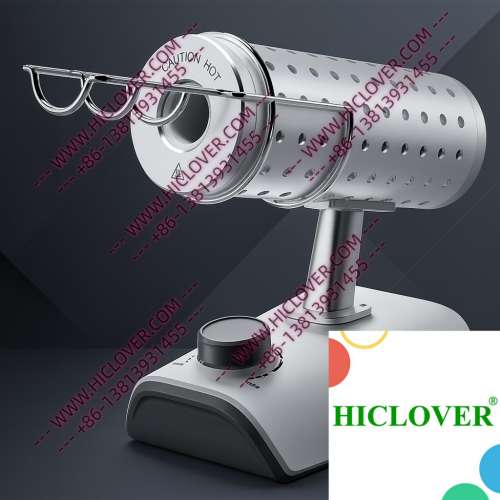
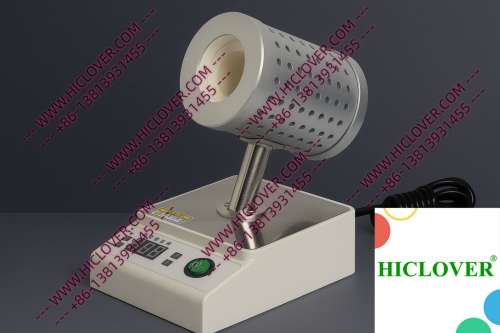
At the heart of the micro incinerator is the use of infrared heat, which is generated from a ceramic heating chamber. This compact piece of equipment houses an enclosed ceramic tube that rapidly reaches high temperatures, allowing for the swift sterilization of inoculating loops and other laboratory tools. As opposed to traditional flame-based methods, infrared sterilization ensures a consistent heat output that can be precisely controlled, facilitating the instant disinfection of equipment without the risk of flames entering sterile environments.
Applications in Real Laboratories
- Biosafety Cabinets: In BSL-2 and BSL-3 microbiology labs, maintaining a sterile environment is crucial. Micro incinerators can be effectively integrated within biosafety cabinets, allowing researchers to sterilize inoculating loops and spills without compromising the cleanliness of the workspace.
- Field Testing: During field tests, especially in clinical diagnostics or environmental sampling, sterilization becomes essential to prevent contamination. Micro incinerators provide a portable and efficient solution, ensuring swift decontamination on-site.
Compliance and Environmental Considerations
Compliance with laboratory sterilization standards is critical. Organizations such as the World Health Organization (WHO) emphasize strict biosafety regulations in laboratories, particularly for equipment that handles pathogens. Micro incinerators ensure compliance by providing a flame-free sterilization alternative, vital for clean rooms and biosafety cabinets where any open flame is prohibited. Compared to traditional sterilizers, they minimize aerosol production, significantly reducing the risk of contamination.
Advantages Over Traditional Flame Sterilizers
Micro incinerators are revolutionizing laboratory sterilization processes. One of the notable advantages over traditional flame sterilizers includes:
- Rapid Thermal Sterilization: Micro incinerators achieve high temperatures within seconds, far surpassing the time efficiency of alcohol lamps and Bunsen burners.
- Safety: Without open flames, the risk of fire hazards is greatly diminished, making them safe for use in sensitive environments.
- No Aerosol Production: The enclosed design limits aerosol generation, which is critical for contamination control in clean labs.
- Ease of Use: Their compact design makes them easy to integrate into existing workflows in various laboratory settings.
| Feature | Micro Incinerator | Flame Sterilizer |
|---|---|---|
| Heat Source | Infrared | Open Flame |
| Usability in Clean Rooms | Yes | No |
| Time Efficiency | Instant | Slower |
| Contamination Risk | Minimal | High |
Frequently Asked Questions
What types of laboratories benefit from using a micro incinerator?
Micro incinerators are ideal for BSL-2 and BSL-3 microbiology labs, clinical diagnostics, and educational institutions. Their versatility extends even to mobile or field testing labs.
How does a micro incinerator compare in safety to traditional burners?
Micro incinerators operate without open flames, drastically reducing fire hazards and the risk of accidents, making them a safer choice in sensitive laboratory environments.
Are micro incinerators cost-effective?
Yes, while the initial investment may be higher, their efficiency, reduced risk of contamination, and compliance with safety standards can result in long-term savings.
What maintenance does the micro incinerator require?
Regular cleaning of the ceramic heating chamber and periodic checks of the electrical components are typically sufficient to ensure performance longevity.
Can they be used for sterilizing other lab equipment?
Absolutely, in addition to inoculating loops, micro incinerators can be used for sterilizing a variety of laboratory instruments, including glass slides and other small metal tools.
Conclusion
The integration of micro incinerators into laboratories marks a significant enhancement in the sterilization process, addressing the safety and efficiency challenges faced by lab professionals. With their ability to comply with stringent biosafety regulations and provide rapid sterilization without risk, they represent a forward-thinking solution in waste treatment. As such, for laboratories eager to enhance their workflow and safety protocols, investing in a high-quality micro incinerator is a wise decision. Contact us today to learn more about our premium Micro Incinerator offerings.
Categories:
Tags: