
In modern laboratories, especially those operating at BSL-2 and BSL-3 containment levels, the challenge of ensuring biosafety during sterilization is paramount. With the critical nature of microbial work, scientists must adhere to strict sterilization workflows. Among the different sterilization devices available, the Micro Incinerator, also known as the Infrared Inoculating Loop Sterilizer, stands out for its efficiency and reliability. However, like any piece of laboratory equipment, this technology can face several challenges that may impact its performance.
Understanding the Micro Incinerator: Technical Principles
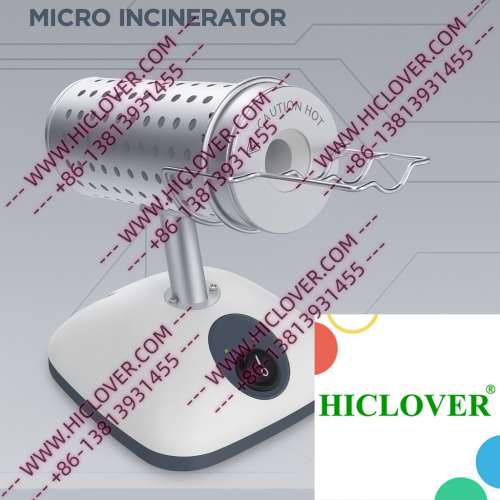
The core activity of the Micro Incinerator involves rapid thermal sterilization through an infrared heating element enclosed within a ceramic tube. This configuration allows for precise temperature control and minimizes the risk of aerosol generation during procedures. Unlike traditional flame-based sterilizers, such as alcohol lamps or Bunsen burners, the Micro Incinerator heats inoculating loops quickly and effectively, ensuring sterilization without the hazards associated with open flames.
Common Issues and Troubleshooting Techniques
When utilizing Micro Incinerators, users may encounter several common issues:
- Inconsistent Heating: If the device is not heating uniformly, check the connection to the power source and inspect the ceramic tube for any signs of damage.
- Failure to Reach Desired Temperature: Ensure that the LED indicator signaling the readiness of the unit is functioning and the settings are correctly configured.
- Excessive Smoke Emission: This may indicate improper cleaning of the ceramic tube. Regular maintenance is essential to avoid buildup and ensure efficacy.
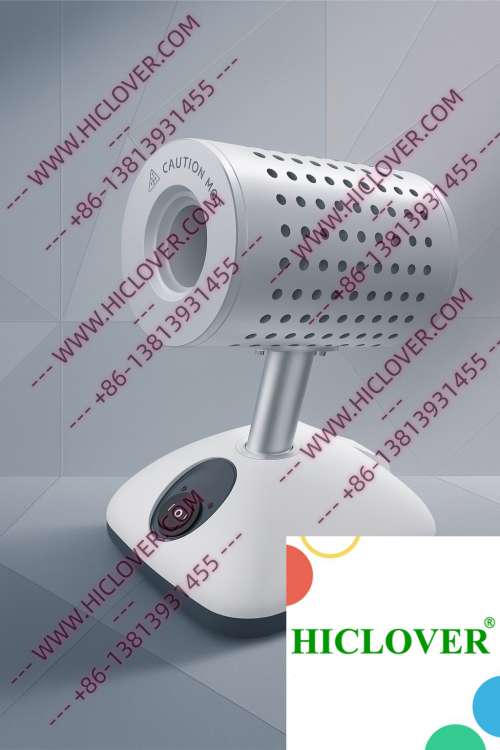
By addressing these common issues quickly, laboratory personnel can ensure seamless integration into their sterilization workflow.
Application Scenarios in Real Labs
1. Biosafety Cabinet Usage
In a biosafety cabinet setting, the Micro Incinerator can effectively manage contamination control without exposing the operator to the hazards of open flames. A rapid sterilization cycle enables researchers to maintain a sterile workspace while manipulating sensitive biological materials.
2. Teaching Labs
Universities employing the Micro Incinerator in teaching labs benefit from its ease of use and safety features, providing students with hands-on experience in microbial work while maintaining a clean and controlled environment.
Compliance and Environmental Factors
Compliance with international biosafety standards, such as those dictated by the World Health Organization (WHO), is essential. The Micro Incinerator helps meet stringent laboratory sterilization requirements by providing a flame-free alternative that aligns with clean room protocols. This is particularly important in laboratories where flame sterilizers pose a safety risk due to the potential for explosive vapors.
In terms of environmental considerations, the use of an infrared inoculating loop sterilizer contributes to aerosol-free handling, significantly reducing contamination risks during operations.
Comparative Overview: Micro Incinerator vs. Traditional Flame Burners
| Feature | Micro Incinerator | Flame Burners |
|---|---|---|
| Heating Method | Infrared | Open Flame |
| Safety | Flame-free, minimal risk | Higher risk of fire |
| Efficiency | Rapid thermal sterilization | Slower heating times |
| Aerosol Production | None | Possible aerosol generation |
Frequently Asked Questions
What is the optimal temperature for sterilization using a Micro Incinerator?
The optimal temperature typically ranges from 800°C to 1000°C, depending on the materials being sterilized.
How often should I clean the ceramic tube of the Micro Incinerator?
To maintain optimal performance, it is advisable to clean the ceramic tube after each use.
Is the Micro Incinerator suitable for use in field testing labs?
Yes, the compact design and efficiency of the Micro Incinerator make it an excellent choice for field testing environments.
Can the Micro Incinerator be used in conjunction with other sterilization methods?
Yes, integrating the Micro Incinerator with other sterilization methods can enhance overall biosafety protocols in the laboratory.
Are there specific standards for laboratory sterilization equipment?
Yes, laboratory sterilization equipment must comply with various international standards, including those set by the WHO and specific regional regulations.
Conclusion
The Micro Incinerator is a highly effective solution for laboratory sterilization needs, especially in environments that require strict adherence to biosafety protocols. Its advantages over traditional flame sterilizers, such as efficiency and safety, make it an essential tool for modern laboratories. If you are interested in enhancing your laboratory’s sterilization capabilities, consider investing in a Micro Incinerator today. For more information or to inquire about pricing, please reach out to us.
Categories:
Tags: