
In modern laboratories, the challenge of maintaining biosafety without compromising efficiency is increasingly daunting. Laboratories working with biological materials, especially BSL-2 and BSL-3 facilities, face rigorous demands for rapid thermal sterilization while ensuring contamination control. Traditional flame sterilizers such as alcohol lamps and Bunsen burners, while familiar, come with safety risks and inefficiencies, making way for innovative solutions like the Micro Incinerator and Infrared Inoculating Loop Sterilizer.
The Technical Principles Behind Micro Incinerators
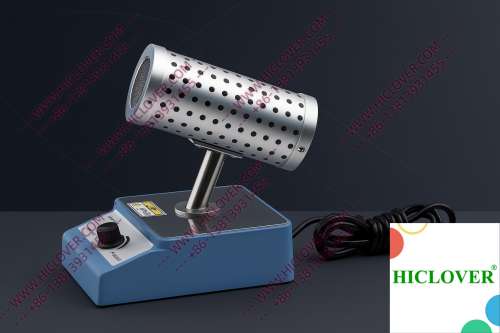
Micro Incinerators leverage infrared heat within a specially designed enclosed ceramic tube. This configuration allows for high-temperature disinfection without the risks associated with open flames. The ceramic heating chamber heats quickly, reaching temperatures that facilitate immediate sterilization of inoculating loops, instruments, and waste. Unlike flame-based methods, micro incinerators produce no aerosols, enhancing safety and cleanliness in sensitive environments.
Applications in Real Laboratory Settings
- Biosafety Cabinets: In BSL-2 microbiology labs, micro incinerators are ideal for sterilizing loops and needles without leaving any toxic residue. Their energy efficiency and compact design fit seamlessly into the workflow of a biosafety cabinet, allowing researchers to maintain a high standard of safety and hygiene.
- Field Testing Laboratories: In mobile or field testing labs, particularly relevant in regions like Southeast Asia where rapid diagnostic testing is essential, the portability and ease of use of micro incinerators provide a critical advantage. These devices can be deployed quickly to sterilize instruments on-site, ensuring that tests are conducted with sterilized equipment, reducing contamination risk.
Compliance with Biosafety Standards
Adhering to WHO biosafety regulations and laboratory sterilization standards is paramount in today’s laboratory environment. Conventional flame sterilizers pose significant risks, particularly in clean rooms and labs where flammable substances are present. Micro incinerators, capable of achieving high temperatures without open flames, comply with safety requirements that demand no flame in clean environments, enhancing both safety and process efficiency.
Comparison Table: Micro Incinerator vs. Flame Burners
| Feature | Micro Incinerator | Flame Burners |
|---|---|---|
| Heating Method | Infrared heat | Open flame |
| Aerosol Generation | No | Yes |
| Safety Risk | Low | High |
| Energy Efficiency | High | Variable |
| Maintenance | Minimal | Higher |
Why Choose Micro Incinerators?
Beyond safety, micro incinerators offer numerous advantages that simplify sterilization workflows. Traditional methods often require handling flammable materials and involve complex cleanup processes after use. In contrast, the infrared inoculating loop sterilizer provides:
- Efficiency: Rapid thermal sterilization reduces waiting time between uses, allowing researchers to work more effectively.
- Cleanliness: The design minimizes contamination risks, safeguarding your samples and results.
- Portability: Lightweight and compact, ideal for use in labs, field settings, or teaching environments.
FAQs
1. What makes micro incinerators safer than traditional flame sterilizers?
The use of infrared heating eliminates open flames and thus reduces the risk of fire hazards and aerosol production, making them safer in sensitive laboratory environments.
2. Can micro incinerators be used in educational settings?
Yes, they are ideal for university teaching labs where training in safe laboratory practices is emphasized, as they provide a hands-on understanding of sterilization without fire hazards.
3. How do micro incinerators enhance compliance with biohazard safety standards?
The absence of an open flame and the efficient sterilization methods align with WHO biosafety regulations and help maintain a contamination-free laboratory environment.
4. Are there any maintenance requirements for micro incinerators?
Micro incinerators require minimal maintenance compared to traditional flame markers, primarily ensuring the ceramic heating element remains clean and functional.
5. Where can I purchase micro incinerators for my laboratory?
Micro incinerators are available through laboratory equipment suppliers, hospitals, universities, and research centers. Reach out to us for personalized purchasing options!
Conclusion
Incorporating micro incinerators into your laboratory setup not only enhances sterilization workflows but also provides an essential tool for maintaining biosafety. The transition from traditional flame sterilizers to infrared inoculating loop sterilizers can significantly improve safety, efficacy, and compliance with critical biosafety standards. Whether you’re in a clinical diagnostics laboratory, a university teaching environment, or conducting field testing, investing in a micro incinerator is a step towards advancing your laboratory practices. For more information and purchasing options, contact us today!
Categories:
Tags: