
In recent years, Tanzania has faced significant challenges related to laboratory waste management and contamination control. As hospitals, research centers, and universities expand, the need for effective sterilization methods has become paramount. The emergence of laboratory biosafety challenges highlights the necessity for state-of-the-art sterilization solutions. High-level biosafety laboratories, especially BSL-2 and BSL-3 settings, require equipment that prioritizes contamination control without jeopardizing safety. One promising technology emerging in this realm is the Micro Incinerator, particularly the Infrared Inoculating Loop Sterilizer.
The Technical Principle of Micro Incinerators
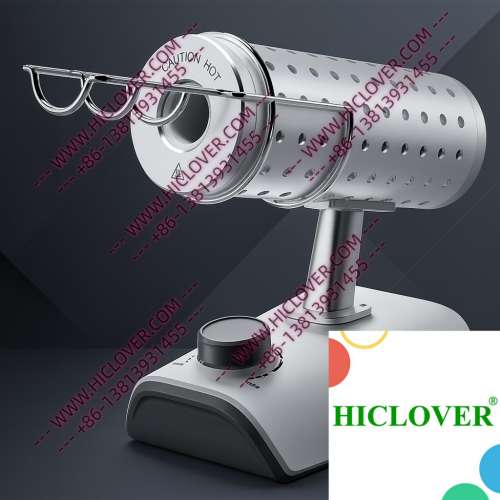
The Micro Incinerator operates on the principle of rapid thermal sterilization. Unlike traditional flame sterilizers such as alcohol lamps or Bunsen burners, which can pose risks of open flames in clean rooms, this device employs infrared heat for effective disinfection. With its enclosed ceramic heating chamber, the Micro Incinerator generates high temperature quickly and uniformly. This unique configuration allows for the sterilization of inoculating loops, needles, and other small laboratory items without producing harmful aerosols, providing a clean-bench-safe solution.
Advantages Over Traditional Flame Sterilizers
- Safety: Eliminates open flames, reducing fire hazards.
- Speed: Rapid heating ensures quick sterilization, enhancing workflow efficiency.
- Contamination control: Minimizes aerosol production, which is crucial in sensitive environments.
- Ease of use: Despite its advanced technology, the operation is straightforward and user-friendly.
- Durability: Built for longevity, especially in demanding lab environments.
- What types of biological materials can be sterilized using a Micro Incinerator?
Micro Incinerators are particularly effective for sterilizing inoculating loops, needles, and other small lab instruments. - Is the Micro Incinerator suitable for all laboratory settings?
Yes, it is ideal for BSL-2 and BSL-3 labs, as well as teaching labs and field testing environments. - How does the Micro Incinerator ensure user safety?
The lack of open flame minimizes fire hazards, and the design promotes aerosol-free handling. - Can the Micro Incinerator be used in mobile laboratories?
Absolutely, its portability makes it an excellent choice for field testing labs. - What maintenance is required for a Micro Incinerator?
Routine cleaning of the ceramic tube and checking for functionality ensures optimal performance.
Application Scenarios in Laboratories
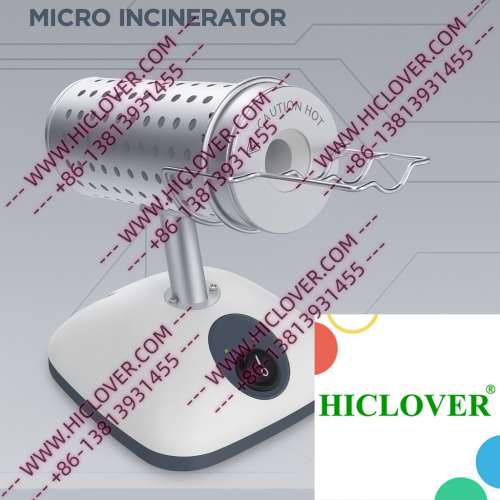
The Micro Incinerator finds diverse applications in various laboratory settings, addressing specific sterilization needs tailored to their workflows. Below, we explore two common scenarios:
1. University Teaching Labs
In university teaching labs, students require reliable equipment to learn proper sterilization techniques. The Infrared Inoculating Loop Sterilizer allows students to safely practice without the inherent risks of flames. It is especially effective for inoculating cultures on agar plates, where ensuring the complete sterilization of tools is essential. Its ease of operation means less time spent on training and more time focused on core instructional content.
2. Mobile Field Testing Labs
In Tanzania, field testing often occurs in remote areas lacking laboratory infrastructure. The portability of the Micro Incinerator makes it ideal for researchers conducting environmental assessments or studying infectious diseases. Its immediate sterilization capability enables researchers to handle samples safely and ensure biohazard materials are treated swiftly and effectively, maximizing their operational efficiency in the field.
Compliance and Environmental Sustainability
The World Health Organization (WHO) emphasizes the need for stringent biosafety protocols in laboratories worldwide. Strict lab sterilization standards necessitate the use of equipment that complies with environmental safety regulations while preventing contamination. The Micro Incinerator’s flame-free operation aligns with clean room regulations, ensuring that it can be integrated into BSL-2 and BSL-3 environments safely.
Furthermore, as Tanzania continues its fight against waste, the use of Micro Incinerators in laboratories aligns with broader environmental conservation efforts, reducing the environmental impact of laboratory waste.
Comparison of Micro Incinerators vs. Traditional Flame Burners
| Feature | Micro Incinerator | Traditional Flame Burners |
|---|---|---|
| Safety | No open flames, minimizes fire risk | Open flame, higher risk of accidents |
| Speed | Rapid heating | Variable, dependent on flame control |
| Contamination Control | Aerosol-free handling | Potential for aerosol production |
| Portability | Highly portable and lightweight | Heavier and less convenient for fieldwork |
Frequently Asked Questions
Conclusion
Tanzania faces unique challenges in laboratory waste management, particularly in the context of environmental conservation and biosafety compliance. The role of Micro Incinerators, especially the Infrared Inoculating Loop Sterilizer, is pivotal in elevating safety standards while addressing the operational needs in diverse laboratory settings. As laboratories continue striving for enhanced workflows and contamination control, investing in advanced sterilization technology becomes essential.
Contact us today to explore how Micro Incinerators can revolutionize your laboratory’s sterilization processes while contributing to broader environmental sustainability efforts.
Categories:
Tags: