
In the modern landscape of laboratory biosafety, the demand for effective sterilization solutions is pressing. Laboratories across India face unique challenges regarding contamination control, efficient workflow, and compliance with stringent safety standards. One of the most effective technologies addressing these challenges is the Micro Incinerator, also known as an Infrared Inoculating Loop Sterilizer. This innovative piece of equipment is not only essential for maintaining sterile environments but also offers significant advantages over traditional flame sterilizers, such as Bunsen burners and alcohol lamps.
Understanding Micro Incinerators
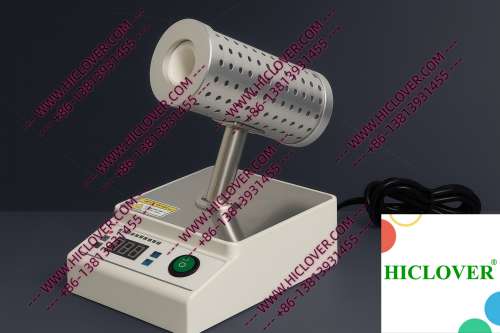
The Micro Incinerator operates on the principle of rapid thermal sterilization through an enclosed ceramic heating chamber. This unique configuration allows for the generation of infrared heat, which can achieve high temperatures very quickly. Unlike traditional flame sterilizers that have an uncontrolled flame, the infrared heating technology provides a clean and efficient means of sterilizing inoculating loops, needles, and other small tools used in laboratory settings.
- Rapid Heating: Achieves optimal sterilization temperatures within seconds.
- Aerosol-Free Handling: Minimizes the risk of contamination from airborne particles.
- Clean-Bench-Safe: Ideal for use in biosafety cabinets and clean rooms.
- Durability: Constructed to withstand frequent use without degradation.
- Biosafety Cabinets: In many BSL-2 and BSL-3 microbiology laboratories, maintaining a sterile environment is crucial. The Micro Incinerator fits seamlessly into biosafety cabinets, providing an effective means of sterilizing instruments without introducing an open flame. This is particularly important when working with infectious agents or sensitive cultures.
- University Teaching Labs: Educational institutions often face challenges in demonstrating effective sterilization techniques. The Micro Incinerator allows students to observe the sterilization of loops and tools without the dangers associated with open flames. This educational setting enhances learning experiences while ensuring safety.
Applications in Real Laboratories
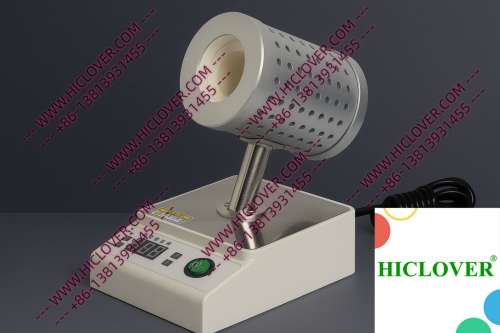
The versatility of Micro Incinerators makes them suitable for a range of laboratory environments. Here are two scenarios where their application is significant:
Compliance and Environmental Considerations
As lab operations become increasingly scrutinized by regulatory bodies, understanding compliance with biosafety standards is pivotal. The World Health Organization (WHO) and various national standards emphasize the necessity for robust sterilization methods to protect both laboratory personnel and the environment.
Open flames, prevalent in traditional sterilization methods, pose significant risks, especially in clean room environments. Their use increases the chances of fire hazards and can compromise the sterile conditions. The Micro Incinerator eliminates these risks by providing a flame-free solution that complies with international biosafety regulations.
Advantages Over Traditional Flame Sterilizers
| Feature | Micro Incinerator | Flame Sterilizers |
|---|---|---|
| Heat Source | Infrared Ceramic Heating | Open Flame |
| Time Efficiency | Seconds for sterilization | Varies, often longer |
| Risk of Contamination | Aerosol-free | Higher risk from flames |
| Safety | Clean-bench-safe | Potential fire hazard |
| Durability | Long-lasting materials | Wear and tear of burners |
Frequently Asked Questions
1. How does the Micro Incinerator ensure efficient sterilization?
The Micro Incinerator uses infrared heating technology that reaches sterilization temperatures rapidly, ensuring efficient thermal disinfection of laboratory tools.
2. Is it safe for use in clinical diagnostics?
Yes, the Micro Incinerator is safe for clinical diagnostic purposes and ideal for BSL-2 and BSL-3 labs due to its flame-free design that minimizes contamination risks.
3. Can the Micro Incinerator replace traditional sterilization methods completely?
While it can replace most traditional flame sterilizers in many applications, specific protocols may still require other methods depending on the laboratory’s needs.
Improving Laboratory Workflows
In laboratories where time and precision are paramount, the Micro Incinerator enhances workflow efficiencies significantly. The rapid sterilization process allows technicians to minimize downtime, thereby increasing productivity. Additionally, the compact design of micro incinerators facilitates easy integration into existing setups, including mobile or field testing labs where portability is vital.
Conclusion
Investing in a Micro Incinerator is a strategic move for laboratories aiming to uphold the highest safety standards while ensuring effective infection control. As India’s healthcare landscape evolves, the necessity for advanced, reliable sterilization equipment cannot be overstated. If you are interested in enhancing your laboratory’s sterilization capabilities, consider reaching out for more information or inquire about our offerings today!
Categories:
Tags: