
In the realm of laboratory safety, particularly in microbiology and clinical diagnostics, the need for efficient sterilization methods is paramount. The risk of contamination can jeopardize research outcomes and endanger public health. Conventional sterilization techniques often involve flames from alcohol lamps or Bunsen burners, which can pose safety hazards and produce unwanted aerosols. This is where innovative devices like the Micro Incinerator, also known as the Infrared Inoculating Loop Sterilizer, come into play, revolutionizing the way sterilization is approached in laboratory environments.
Understanding the Technical Principles
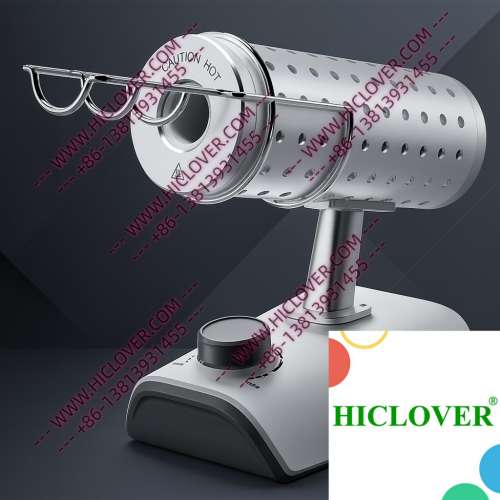
The Micro Incinerator employs advanced infrared heating technology to achieve rapid thermal sterilization. Unlike traditional flame-based methods, which can compromise clean areas and require careful handling, the Micro Incinerator utilizes an enclosed ceramic tube that generates high temperatures without direct flames. The ceramic heating chamber heats up quickly, allowing for effective disinfection of inoculating loops and other small laboratory tools in mere seconds. This ensures that tools are sterilized efficiently while minimizing the risk of contamination and user exposure to hazardous fumes.
Applications of the Micro Incinerator in Real Labs
Scenario 1: Class BSL-2 Microbiology Labs
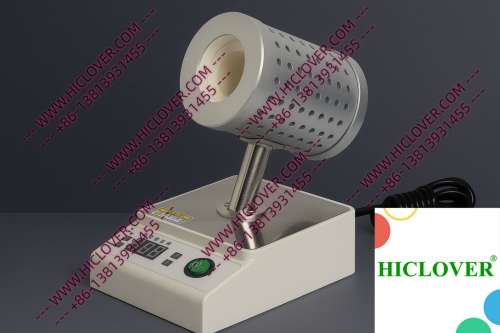
In BSL-2 laboratories, where human pathogens are handled, maintaining biosafety is critical. The Micro Incinerator fits seamlessly into the sterilization workflow, housed safely within a biosafety cabinet. Lab personnel utilize the device to sterilize inoculating loops before transferring samples onto culture media. The touch-and-go functionality of the Micro Incinerator allows scientists to focus more on their research without interruptions while ensuring the highest standards of contamination control.
Scenario 2: University Teaching Labs
In educational environments, students frequently engage in experiments with microbial cultures. The Micro Incinerator enhances the safety of these hands-on sessions. With no open flames, students can safely sterilize loops during their experiments, facilitating a more streamlined learning experience. Faculty can be assured that safety protocols are followed, reducing the potential for accidents or mishaps while promoting effective teaching of sterilization techniques.
Compliance with Biosafety Standards
Understanding the regulatory landscape is vital for maintaining laboratory safety. The Micro Incinerator aligns with WHO biosafety guidelines and laboratory sterilization standards. In cleanroom environments where no flame is permitted, the Micro Incinerator offers a flame-free alternative to traditional sterilization methods, thus preserving the integrity of sensitive experiments. The device’s design minimizes the risk of aerosols, making it suitable for a wide range of applications, from clinical diagnostics to environmental monitoring.
Advantages Over Traditional Flame Sterilizers
- Safety: Reduced risk of fire and aerosol generation.
- Efficiency: Rapid heating minimizes downtime.
- Precision: Enclosed design improves control over sterilization.
- Versatility: Suitable for multiple applications beyond microbiology.
Comparison of Sterilization Methods
| Feature | Micro Incinerator | Traditional Flame Burners |
|---|---|---|
| Heat Source | Infrared | Open Flame |
| Temperature Control | Consistent | Variable |
| Safety | High (flame-free) | Moderate (fire risk) |
| Contamination Risk | Low | Higher (aerosols) |
FAQs
What are the main features of the Micro Incinerator?
The Micro Incinerator boasts a fast heating ceramic chamber, adjustable temperature settings, and a compact design suitable for various laboratory settings.
Is the Micro Incinerator suitable for field testing?
Absolutely! The device is portable, and its fast operation makes it ideal for field labs where quick sterilization is needed without the dangers of an open flame.
How does the Micro Incinerator comply with biosafety standards?
It meets WHO biosafety guidelines and adheres to standards for sterilization in Class BSL-2 and BSL-3 laboratories, providing a safe and effective alternative to traditional methods.
Can the Micro Incinerator be used in cleanroom environments?
Yes, its flame-free operation makes it ideal for cleanrooms where traditional sterilization methods are not permitted.
How does the Micro Incinerator compare in cost with traditional flame sterilizers?
While the initial investment may be higher, the long-term savings in safety, efficiency, and reduced contamination make it a financially sound choice for laboratories.
Conclusion
The Micro Incinerator / Infrared Inoculating Loop Sterilizer is not just a tool—it’s a transformative solution that redefines laboratory sterilization protocols. By prioritizing safety and efficiency, it significantly reduces contamination risks and aligns with the highest biosafety standards. Laboratories can enhance their workflows, protect personnel, and uphold the integrity of their research effectively. For those interested in upgrading their sterilization methodologies, we encourage you to explore our offerings and elevate your lab’s safety standards. Contact us today for more information or to request a quote!
Categories:
Tags: