
In today’s fast-paced scientific landscape, maintaining stringent laboratory biosafety is paramount. Laboratories must meet rigorous sterilization workflow demands, particularly as pathogens evolve and research expands into new frontiers. In this context, on-the-go sterilization methods like the Micro Incinerator or Infrared Inoculating Loop Sterilizer have emerged as vital tools in achieving rapid thermal sterilization without compromising […]
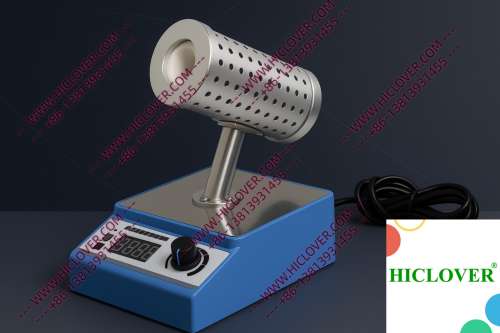
In the realm of laboratory safety, one of the foremost challenges faced by scientists and researchers is maintaining an aseptic environment. The risk of contamination can compromise experiments, leading to inconclusive results or, in more severe cases, health hazards. As laboratories increasingly adopt stringent safety protocols, the demand for effective sterilization equipment has surged, particularly […]

In the ever-evolving landscape of laboratory practices, maintaining rigorous laboratory biosafety standards and efficient sterilization workflows is a paramount challenge. With the increasing need for contamination control in various settings, from BSL-2 microbiology labs to university teaching laboratories, the utilization of modern sterilization equipment has gained unprecedented importance. One such innovation is the Micro Incinerator […]
Laboratory environments are crucial for research and experimentation, but they come with a set of unique biosafety challenges. Ensuring that the equipment used in these labs does not contribute to contamination is paramount. One of the most critical components of a laboratory sterilization workflow is the bio-safety cabinet sterilizer. Among the various types available, the […]
In today’s fast-paced scientific environment, the demand for effective laboratory sterilization equipment is greater than ever. Researchers face numerous biosafety challenges, particularly when working in diverse settings such as BSL-2 and BSL-3 microbiology labs, field testing sites, and educational institutions. Meeting sterilization workflow demands while maintaining strict safety measures is critical, especially for sensitive operations […]

Laboratories play a crucial role in advancing science and medicine, but ensuring biosafety poses significant challenges for laboratory personnel. Traditional sterilization methods, such as alcohol lamps and Bunsen burners, can introduce risks of aerosol generation, cross-contamination, and unsafe conditions in controlled environments. The demand for more reliable and efficient sterilization solutions has led to the […]

Laboratories today are tasked with an increasing responsibility to ensure biosafety and contamination control. As research progresses and technologies advance, the focus on improving sterilization workflows has become paramount. Traditional methods such as Bunsen burners and alcohol lamps pose risks of contamination through aerosol production and open flames. In response, the laboratory sterilization equipment industry […]
In today’s fast-paced laboratory environment, professionals face challenges in maintaining biosafety and ensuring reliable sterilization workflows. The need for swift, efficient, and contamination-free procedures is paramount, particularly in sensitive settings such as BSL-2 and BSL-3 microbiology labs, clinical diagnostics, and educational institutions. Traditional methods like alcohol lamps and Bunsen burners can present risks such as […]
In the ever-evolving landscape of laboratory operations, maintaining biosafety is paramount. Laboratories face practical challenges when it comes to effective sterilization methods capable of ensuring contamination control without compromising safety or workflow efficiency. Traditional flame sterilizers, such as alcohol lamps and Bunsen burners, present various risks, including flammable materials, aerosol generation, and heat dispersion. In […]

Laboratories face increasing challenges in maintaining biosafety, particularly in scenarios involving microbial handling and contamination control. Traditional sterilization methods, including alcohol lamps and Bunsen burners, often fall short due to safety risks, efficiency, and practicality in sterile environments. As lab workflows evolve, the need for more advanced sterilization solutions has led to the rise of […]